




What's Happening?
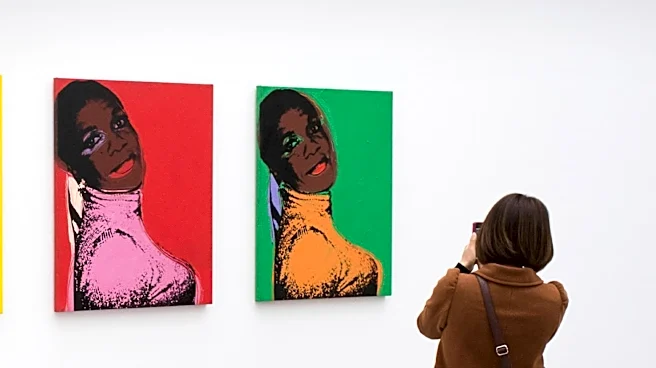
The Washington Pavilion in Sioux Falls is currently hosting an exhibition titled 'Continuum: Indigenous Art of the Northern Plains.' This exhibition draws from the Visual Arts Center’s permanent collection and showcases both historical and contemporary
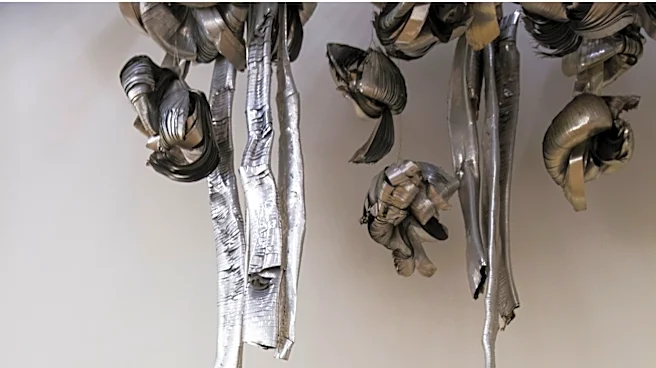
works by Indigenous artists from the Northern Plains. The collection highlights the diverse artistic traditions, cultural identity, and creative expression of various Indigenous nations in the region. Featured artists include influential figures such as Oscar Howe, Arthur Amiotte, and Donald Montileaux, alongside recent acquisitions and works by other regional artists. The exhibition explores how these artists interpret history, community, identity, and lived experience through various mediums, including beadwork, quillwork, painting, printmaking, and sculpture. The Visual Arts Center has been preserving and presenting Northern Plains Tribal Art in the Egger Gallery since 2015, with significant works like Arthur Amiotte’s 'Parfleche Circle' and Oscar Howe’s 'Ghost Dance' being part of the collection. The Augustana Tribal Arts Collection, which originated from the Northern Plains Tribal Arts Juried Art Show and Market, was formally acquired by the Visual Arts Center in 2013 with community support.
Why It's Important?
This exhibition is important as it provides a significant platform for the recognition and appreciation of Indigenous art and culture from the Northern Plains. By showcasing a range of works from traditional practices to contemporary approaches, it illustrates the enduring vitality and evolution of Indigenous artistic expression. The inclusion of both historical and contemporary pieces helps to bridge generational gaps and demonstrates the continuous influence of cultural heritage on modern art. For the community, it offers an educational opportunity to engage with the rich artistic traditions and narratives of Indigenous peoples, fostering a deeper understanding and respect for their contributions to the cultural landscape. The exhibition also underscores the importance of institutions like the Washington Pavilion in preserving and promoting diverse artistic heritages, ensuring that these stories and artistic forms remain accessible to the public. Furthermore, the formal acquisition of collections like the Augustana Tribal Arts Collection highlights a commitment to the long-term stewardship of these invaluable cultural assets.
What's Next?
The 'Continuum: Indigenous Art of the Northern Plains' exhibition will continue to be on display at the Washington Pavilion, offering ongoing opportunities for public engagement. Future programming at the Visual Arts Center may include educational workshops, artist talks, or guided tours designed to further explore the themes and techniques presented in the exhibition. The continued presence of such significant collections suggests a sustained commitment by the Washington Pavilion to Indigenous art, potentially leading to future acquisitions or collaborations with Indigenous artists and cultural organizations. The exhibition may also inspire further academic research into the featured artists and their contributions to American art history. As the Washington Pavilion continues its role as a regional hub for arts, entertainment, and science, similar initiatives are likely to be developed to highlight diverse cultural expressions and foster community engagement with the arts.
Beyond the Headlines
Beyond its immediate artistic appeal, the 'Continuum' exhibition carries deeper implications regarding cultural preservation and reconciliation. By prominently featuring Indigenous art, the Washington Pavilion contributes to a broader national dialogue about the importance of Indigenous voices and perspectives in contemporary society. The exhibition serves as a powerful reminder of the resilience and adaptability of Indigenous cultures, showcasing how artists maintain connections to tradition while innovating in modern contexts. Ethically, it reinforces the value of cultural heritage and the need for institutions to actively support and represent marginalized communities. Legally, the acquisition and preservation of such collections contribute to the ongoing effort to recognize and protect Indigenous intellectual and cultural property. Culturally, it helps to decolonize art spaces by centering Indigenous narratives and challenging dominant historical perspectives, fostering a more inclusive and representative understanding of American art and history.