





What's Happening?
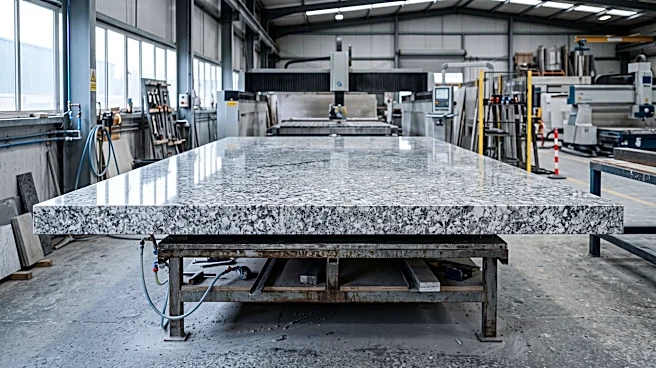
California's Division of Occupational Safety and Health has issued a revised emergency draft rule aimed at banning the fabrication and installation of engineered stone products containing over 1% crystalline silica. This proposal would make California the first
state in the nation to implement such a ban. The updated draft provides clearer guidelines for employers on which types of engineered stone slabs are covered and how to demonstrate compliance. Specifically, compliant materials must be accompanied by a safety data sheet and an x-ray diffraction lab analysis from an accredited laboratory for each product. This regulatory action follows significant public comments received last month and is a direct response to a high number of workers being diagnosed with silicosis, an incurable, irreversible, and progressive occupational lung disease. The draft also clarifies that certain materials, such as Terrazzo tiles, fired ceramics, porcelain tiles, and natural stones that have not been processed, are not considered artificial stone under this rule.
Why It's Important?
This proposed ban is a critical public health measure designed to protect workers from silicosis, a severe and often fatal lung disease. The high incidence of silicosis among workers handling engineered stone in California highlights a significant occupational hazard that current safety protocols have not adequately addressed. By targeting products with high crystalline silica content, the state aims to eliminate the primary cause of this disease in the countertop fabrication industry. The ban could set a precedent for other states and potentially influence national safety standards, leading to a broader shift in manufacturing and material use within the construction and interior design sectors. Manufacturers of engineered stone will face pressure to innovate and develop safer, low-silica alternatives, while businesses involved in fabrication and installation will need to adapt their practices and supply chains to comply with the new regulations. This move underscores the growing recognition of long-term health risks associated with certain industrial materials and the need for proactive regulatory intervention.
What's Next?
The revised emergency draft rule will likely undergo further review and public comment before its potential implementation. Stakeholders, including manufacturers, labor unions, and health organizations, will continue to engage with California regulators to refine the specifics of the ban and its enforcement. If enacted, businesses will need to swiftly adjust their operations, potentially leading to a temporary disruption in the supply chain for certain countertop materials. The industry will likely see an accelerated push towards the development and adoption of alternative materials with lower silica content. Furthermore, the success and impact of California's ban could inspire similar legislative efforts in other states or at the federal level, prompting a nationwide reevaluation of engineered stone safety standards and worker protection measures. The long-term implications include a potential shift in consumer preferences towards safer materials and increased investment in occupational health research and preventative technologies.
Beyond the Headlines
The California ban on high-silica engineered stone extends beyond immediate health and safety concerns, touching upon broader ethical and economic considerations. Ethically, it highlights the responsibility of industries to prioritize worker well-being over material cost or aesthetic appeal, especially when known health risks are involved. Economically, the ban could stimulate innovation in material science, fostering the development of new, safer products that could eventually dominate the market. This regulatory action also brings to light the often-hidden costs of industrial diseases, including healthcare expenses, lost productivity, and the human toll of chronic illness. It may also spark discussions about liability for past exposures and the need for comprehensive support systems for workers already affected by silicosis. The move could also influence international trade, as manufacturers globally may need to adapt their production processes to meet stricter U.S. import standards, particularly if other states follow California's lead.