



What's Happening?
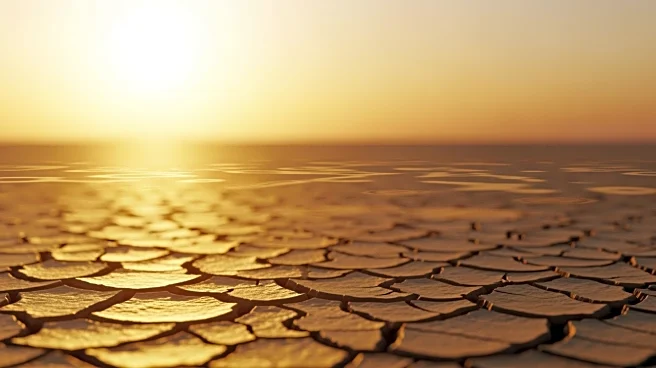
A new study published in the journal Environmental Research: Health reveals that extreme heat is increasingly making life unlivable, particularly for older adults. The research indicates that those aged 65 and older experience a month each year when heat prevents
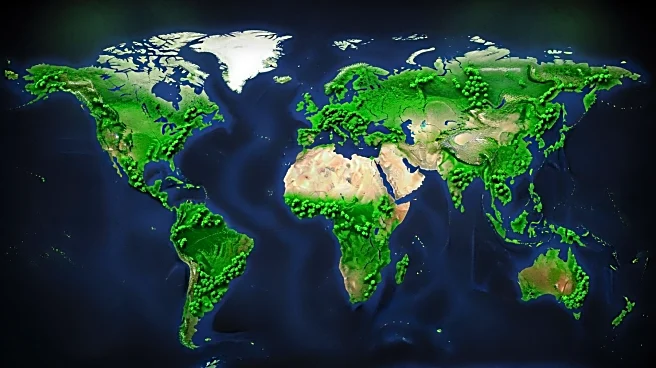
routine activities, with parts of Asia, Africa, Australia, and North America becoming uninhabitable for senior citizens. Younger adults also face restrictions, losing 50 hours annually due to climate-driven heat. The study, which analyzed heat and humidity records from 1950 to 2024, highlights the growing impact of rising temperatures on daily life, beyond survival or physically demanding jobs.
Why It's Important?
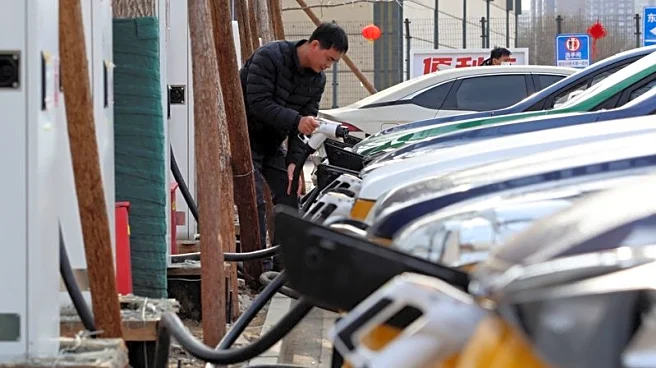
The findings underscore the urgent need for global action on climate change, as extreme heat increasingly affects daily life and health. Vulnerable populations, such as the elderly and outdoor workers, face heightened risks, necessitating adaptive measures and policies to protect them. The study highlights the importance of sustainable urban planning and infrastructure to mitigate heat effects, as well as the need for international cooperation to address climate challenges. The research also emphasizes the role of air conditioning and other cooling technologies in providing relief, particularly in wealthier nations.
What's Next?
The study calls for increased awareness and policy interventions to address the growing impact of extreme heat. Governments and organizations may focus on developing heat action plans, improving public health infrastructure, and promoting sustainable practices to reduce heat exposure. The research may also spur further studies on the socio-economic impacts of climate change and the development of innovative solutions to enhance resilience against extreme weather conditions.