



What's Happening?
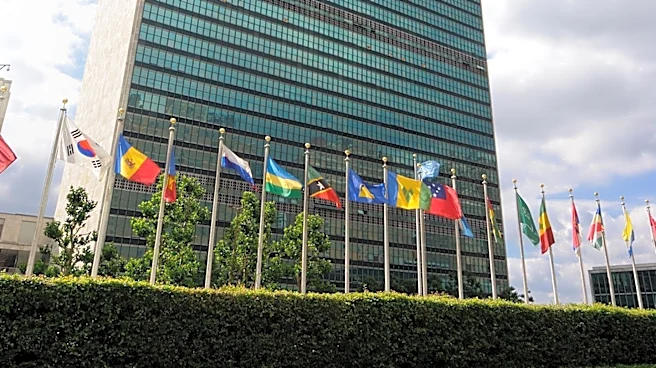
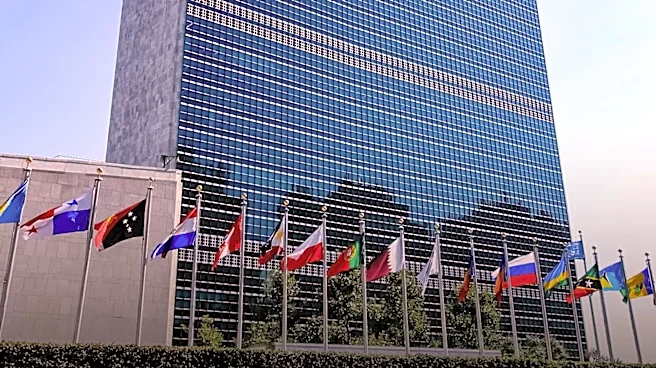
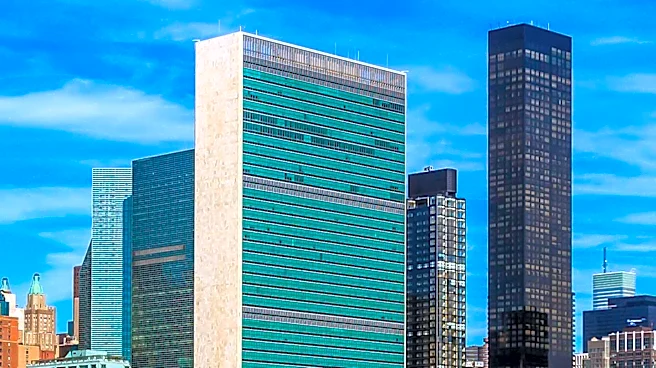
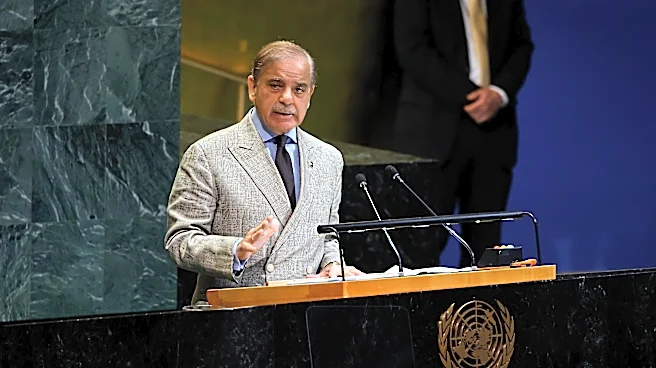
The United Nations is encountering significant issues regarding the implementation of the Host Country Agreement by the United States, particularly concerning visa denials and restrictions on movement for representatives of member states. According to
a report from the Sixth Committee of the General Assembly, there has been a negative trend with an increasing number of violations, including direct denials of visas for high-ranking officials. The Russian delegation, for instance, reported that its Deputy Minister of Foreign Affairs, Mr. Alexander Alimov, was denied a visa, preventing his participation in the 81st General Assembly session. Additionally, Russian delegates experienced delays in visa issuance, leading to late arrivals and hindering their ability to participate effectively in UN activities. Staff members and their families also face difficulties extending visas, with processing times averaging five months, and movement restrictions confining them to a 25-mile radius from Columbus Circle. These issues are seen as flagrant violations of the Headquarters Agreement and diplomatic legal norms, impacting the full and effective participation of all accredited delegations in the work of the United Nations.
Why It's Important?
The ongoing issues with the U.S. implementation of the Host Country Agreement have significant implications for the functionality and universality of the United Nations. The inability of member state representatives to obtain timely visas or move freely within the host country directly impedes their participation in critical UN meetings and functions. This situation undermines the principle of equal participation for all member states and can lead to a perception of political bias, as some delegations, like Russia, claim discrimination based on bilateral relations. The Secretary-General's role as the custodian of the Host Country Agreement is crucial, and the perceived lack of action in addressing these violations could weaken the UN's authority and reputation. Furthermore, the report suggests that the U.S. example of non-compliance might be influencing other host countries of international organizations, potentially triggering a 'domino effect' of similar violations globally. This could lead to a broader erosion of international legal norms and agreements essential for the effective operation of multilateral institutions.
What's Next?
The United Nations and its member states are urging continued engagement with the U.S. to ensure the full and effective implementation of the Headquarters Agreement and facilitate the participation of all delegations. The Secretary-General and his legal team have been in negotiations with U.S. authorities since at least 2017, but these discussions have not yielded genuine results, and the situation has reportedly worsened. Member states are calling for the Secretary-General to initiate arbitration proceedings in accordance with Section 21 of the Headquarters Agreement, an obligation rather than a discretion, given the lack of progress through negotiations. The European Union and its Member States reaffirm the importance of the Headquarters Agreement and the Convention on the Privileges and Immunities of the United Nations, emphasizing that these instruments support the effective functioning of the Organization and enable permanent missions and delegations to carry out their functions independently and effectively. The expectation is for the U.S. to fix the violations and provide guarantees against their recurrence.
Beyond the Headlines
The persistent challenges with the Host Country Agreement highlight deeper tensions between national sovereignty and international obligations. While the U.S. benefits from hosting the UN headquarters, it also assumes responsibilities under international law to ensure the organization's smooth operation. The accusations of selective application of visa policies based on bilateral relations raise questions about the political neutrality of the host country and its commitment to multilateralism. The perceived impunity of the U.S. in these matters could set a dangerous precedent, encouraging other nations to disregard their host country obligations. This situation also underscores the limitations of the UN's internal mechanisms, such as the Committee on Relations with the Host Country, in enforcing compliance when a powerful member state is involved. The call for arbitration reflects a growing frustration among member states and a potential shift towards more assertive legal measures to uphold the integrity of international agreements.