







What's Happening?
San Francisco's community garden program, which began in the 1970s, has grown to encompass 41 gardens across the city. Initially launched with federal funds, the program faced budget cuts in 1977 and was later managed by the San Francisco League of Urban
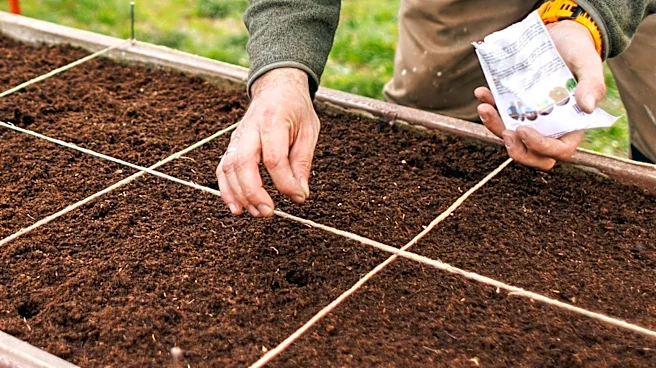
Gardeners (SLUG) before the Recreation and Park Department took over in 2006. The gardens, ranging from the oldest, Fort Mason Community Garden (established 1976), to the newest, Maria Manetti Shrem Community Garden (opened 2022), offer diverse cultivation opportunities. While some gardens, like Alemany Farm, are communal and allow volunteers to participate, many have assigned plots with extensive waitlists, some exceeding ten years, such as the Michelangelo Community Garden. These green spaces provide a variety of crops, from traditional vegetables like tomatoes and corn to unique cultivars like the cherimoya at Visitacion Valley Greenway, and also serve as habitats for local wildlife and educational centers.
Why It's Important?
The proliferation of community gardens in San Francisco highlights a significant urban trend towards localized food production and green space development within densely populated areas. These gardens contribute to urban biodiversity, offer educational opportunities, and foster community engagement. The long waitlists for plots underscore a high demand for such spaces, reflecting residents' desire for connection to nature, fresh produce, and community involvement. The historical challenges faced by the program, including funding cuts and past controversies, demonstrate the resilience and sustained importance of these initiatives. Furthermore, the diverse range of crops and the focus on native plants contribute to ecological health and food security within the city, providing both sustenance and environmental benefits to urban dwellers.
What's Next?
The continued popularity and demand for community garden plots suggest that San Francisco's Recreation and Park Department will likely face ongoing pressure to expand the program or find innovative ways to accommodate more residents. Given the extensive waitlists, there may be future initiatives to create new garden spaces or convert underutilized public land into communal farming areas. Educational workshops and volunteer opportunities, already a feature of many gardens like Alemany Farm and Garden for the Environment, are expected to continue, promoting sustainable practices and community science. The success of these gardens could also inspire other urban centers to invest further in similar programs, recognizing their value in enhancing urban living and environmental sustainability.
Beyond the Headlines
Beyond their immediate benefits of fresh produce and green spaces, San Francisco's community gardens represent a deeper cultural and social shift towards self-sufficiency and local resilience. They serve as vital community hubs, fostering social connections and providing therapeutic benefits through gardening. The historical evolution of these gardens, from grassroots efforts to city-managed programs, reflects a growing recognition of their importance in urban planning and public health. The cultivation of diverse and sometimes unusual crops, like the cherimoya, also speaks to the multicultural fabric of the city and the desire to maintain culinary traditions. These gardens are not just plots of land; they are living laboratories for sustainable urban living, community building, and environmental stewardship, offering a model for how cities can integrate nature and agriculture into their core identity.