
What's Happening?
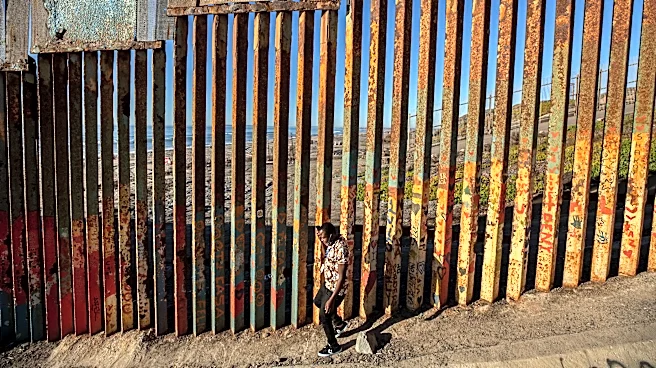
Texas Democrats are calling on the Trump administration to halt plans for constructing border barriers and roads in Big Bend National Park. The project, led by Southwest Valley Constructors, involves building vehicle barriers, surveillance technology,
and patrol roads as part of a $1.7 billion contract. Concerns have been raised about potential environmental impacts, including debris affecting the Rio Grande, which could violate the 1970 Boundary Treaty with Mexico. U.S. Rep. Henry Cuellar, a South Texas Democrat, supports strong border security but insists it should respect the park's integrity. Cuellar has been assured by U.S. Customs and Border Protection (CBP) that no explosives will be used on Mariscal Mountain, a key area of concern.
Why It's Important?
The construction project in Big Bend National Park has sparked significant debate over environmental preservation versus national security. The park is a critical natural habitat, and the proposed infrastructure could cause irreversible damage to its ecosystem. The project also raises legal concerns regarding international treaties with Mexico. The involvement of high-profile companies and the substantial federal contract highlight the economic stakes. The situation underscores the ongoing tension between border security measures and environmental conservation, with potential implications for U.S.-Mexico relations and domestic policy on infrastructure development in protected areas.
What's Next?
As the project progresses, further scrutiny from environmental groups and political leaders is expected. Texas GOP leaders, including Senators John Cornyn and Ted Cruz, have been urged to intervene. The National Park Service's response and potential legal challenges could influence the project's future. Continued advocacy from conservation groups and local businesses may pressure federal agencies to reconsider or modify the plans. The outcome could set a precedent for how similar projects are handled in other protected areas across the U.S.