






What's Happening?
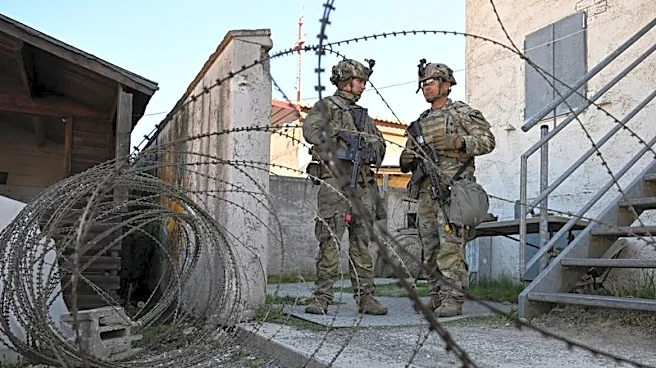
The United States Marine Corps has introduced a new Ground Reconnaissance Course (GRC) as part of its updated training curriculum for reconnaissance Marines. This course, launched at the Camp Pendleton-based Reconnaissance Training Company, is designed
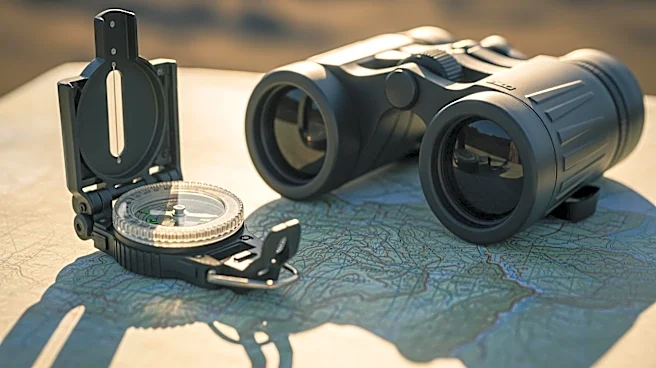
to replace the Basic Reconnaissance Course alongside the Amphibious Reconnaissance Course. The new curriculum aims to align with the Marine Corps' Force Design initiatives, enhancing the training of Marines who will serve in scout or reconnaissance teams within the Ground Combat Element of the Marine Air-Ground Task Force. The GRC includes a combination of lectures and practical training in areas such as land navigation, water survival, communications, surveillance, and patrolling. The Amphibious Reconnaissance Course supplements this training with a focus on aquatic operations and amphibious mission planning.
Why It's Important?
The introduction of the Ground Reconnaissance Course is significant as it reflects the Marine Corps' commitment to evolving its training programs to meet modern military needs. By updating the curriculum, the Marine Corps aims to ensure that its reconnaissance Marines are better prepared for the dynamic and complex environments they may encounter. This change is expected to enhance the effectiveness of Marines on the battlefield by providing them with critical intelligence skills. The new training structure also reduces wait times and offers early exposure to human performance support, which is crucial for the development of highly skilled reconnaissance Marines. This initiative aligns with the broader Force Design 2030 objectives, which focus on modernizing the Marine Corps to address future challenges.
What's Next?
As the Marine Corps continues to implement the new training courses, it is likely that further adjustments and evaluations will be made to ensure the effectiveness of the curriculum. The transition to the new courses is part of a broader effort to modernize the Marine Corps' training and operational capabilities. Stakeholders, including military leaders and policymakers, will be closely monitoring the outcomes of these changes to assess their impact on the readiness and performance of Marine reconnaissance units. Additionally, the success of this initiative may influence future training programs across other branches of the U.S. military.