
What's Happening?
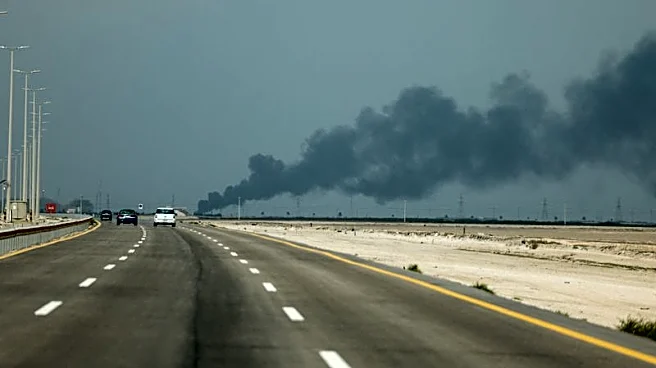
The ongoing conflict between the US and Iran has significantly disrupted global fertilizer markets, leading to volatile prices and supply chain challenges. The conflict has removed substantial volumes
of urea, sulfur, and related feedstock products from international markets, forcing buyers to seek alternative supplies at higher costs. The disruption around the Strait of Hormuz has been a central shock, affecting supply chains and leading to production curbs linked to gas constraints. The US-Israel war with Iran could also impact India's fertilizer supply, crucial for the upcoming kharif season. Despite government assurances, delayed shipments and reliance on Qatar for urea plant gas have prompted India to consider additional measures.
Why It's Important?
The disruption in fertilizer markets has broad implications for global agriculture, affecting crop yields and food security. Rising fertilizer prices could increase production costs for farmers, potentially leading to higher food prices. The conflict has also highlighted vulnerabilities in global supply chains, emphasizing the need for diversified sourcing and strategic reserves. Countries heavily reliant on Middle Eastern supplies, like India, may need to explore alternative sources or increase domestic production to mitigate risks. The situation underscores the interconnectedness of geopolitical events and global commodity markets.
What's Next?
As the conflict continues, stakeholders are closely monitoring potential peace talks between Iran and the US, which could ease tensions and stabilize markets. In the meantime, countries like India are exploring government-to-government talks with China and other suppliers to secure additional gas supplies. The fertilizer industry may need to adapt to ongoing supply chain disruptions, with companies seeking alternative sources and adjusting procurement strategies. The situation remains fluid, with potential for further market volatility depending on geopolitical developments.