


What's Happening?
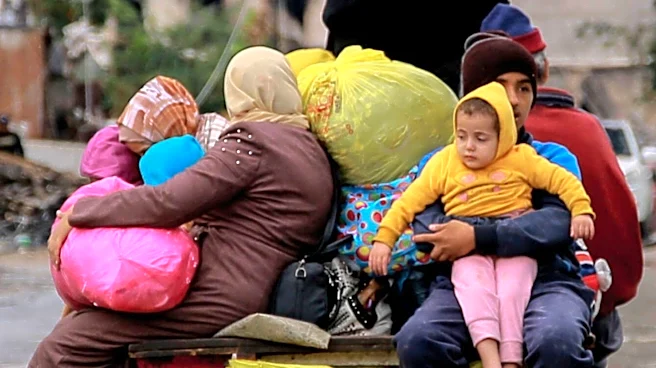
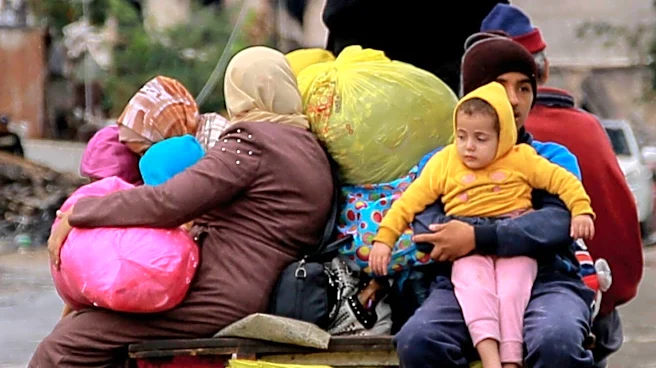
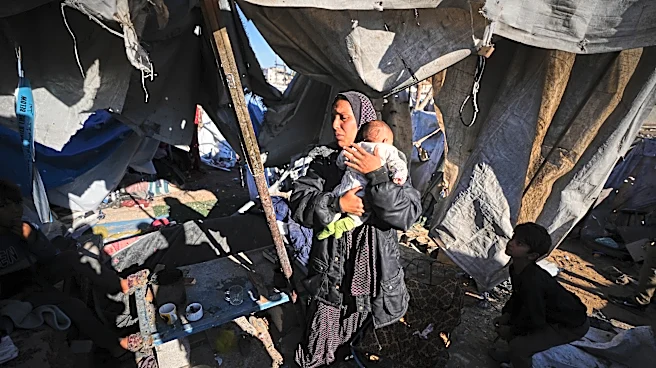
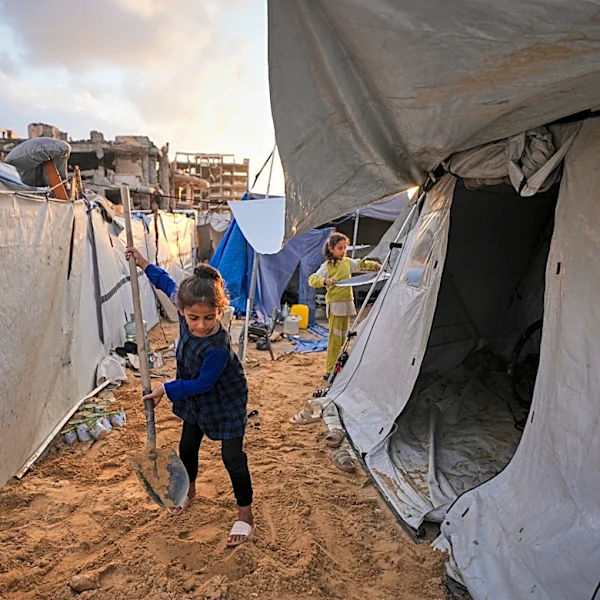
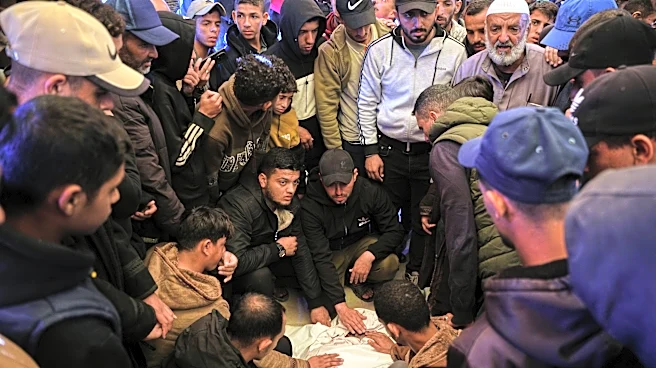
A nine-month-old Palestinian infant has died from severe hypothermia in Khan Younis, Gaza, marking the first cold-related fatality of the winter season. The infant's death occurred overnight in a family tent, as winter storms have led to flooding in displacement
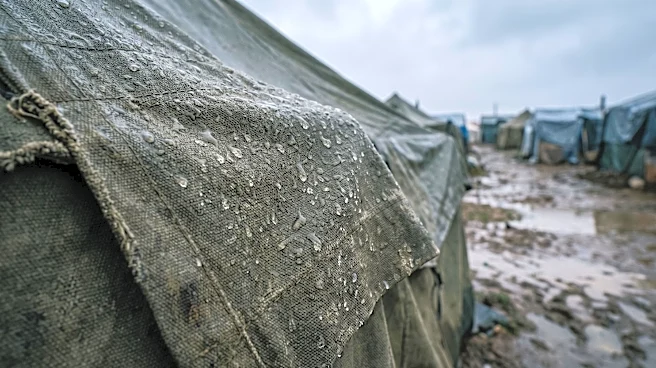
camps and the collapse of shelters. Families in the region are struggling to stay warm, exacerbated by Israeli restrictions on aid. The World Health Organization (WHO) reported on Friday that acute respiratory infections in Gaza are 33,000 cases higher than the same period last year, with conditions expected to worsen due to heavy winter rains flooding tens of thousands of tents. This incident highlights the severe humanitarian crisis in Gaza, where displaced populations face extreme weather conditions with inadequate shelter and resources.
Why It's Important?
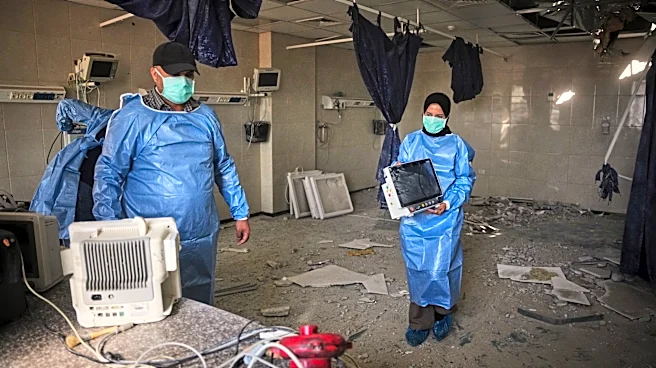
The death of an infant from hypothermia underscores the dire humanitarian situation and the critical need for increased aid in Gaza. The ongoing conflict and associated restrictions on humanitarian assistance are directly contributing to life-threatening conditions for vulnerable populations, particularly children. The rising rates of acute respiratory infections, as noted by the WHO, indicate a broader public health crisis that is likely to intensify with the onset of winter. This situation puts immense pressure on international aid organizations and calls into question the effectiveness of current humanitarian efforts and access. The inability of families to secure basic warmth and shelter reflects a systemic failure to protect civilians in conflict zones, leading to preventable deaths and widespread suffering.
What's Next?
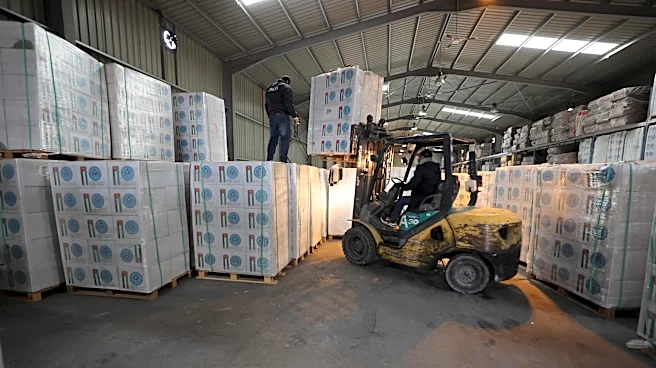
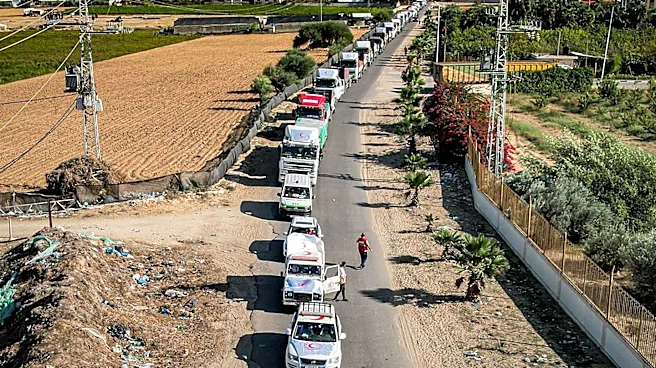
The immediate focus will likely be on increasing humanitarian aid and improving access for essential supplies, including warm clothing, blankets, and robust shelter materials, to prevent further cold-related deaths and illnesses. International bodies and aid organizations are expected to continue advocating for the easing of restrictions on aid delivery into Gaza. There may be increased calls for a ceasefire or humanitarian pauses to allow for the safe and efficient distribution of assistance. Additionally, efforts to address the public health crisis, particularly the surge in respiratory infections, will require significant medical supplies and personnel. The long-term implications include potential displacement of more families and a worsening health crisis if adequate measures are not implemented swiftly.
Beyond the Headlines
This tragic event highlights the profound ethical and legal challenges associated with armed conflicts and their impact on civilian populations. The death of an infant due to environmental exposure in a displacement camp raises questions about the responsibilities of all parties involved in ensuring the protection and well-being of non-combatants. It also brings to light the broader issue of climate vulnerability in conflict zones, where extreme weather events compound existing humanitarian crises. The reliance on makeshift shelters and the lack of basic infrastructure make populations highly susceptible to environmental hazards. This incident serves as a stark reminder of the interconnectedness of conflict, climate, and public health, demanding a more comprehensive and humane approach to humanitarian response.