







What's Happening?
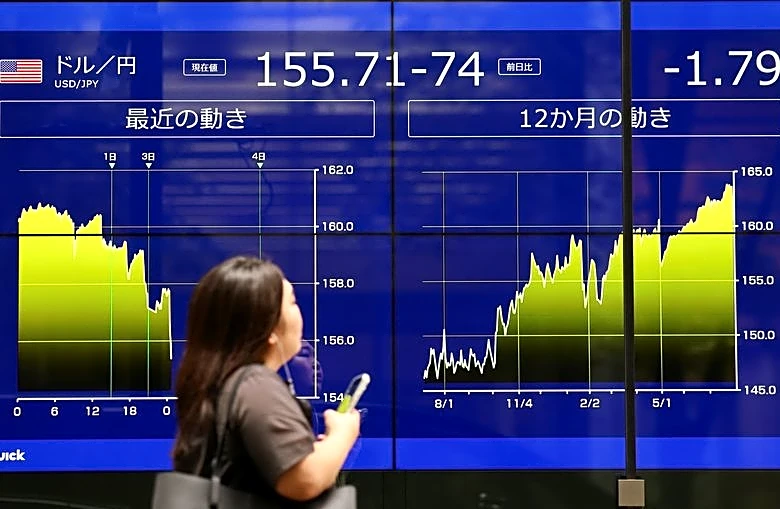
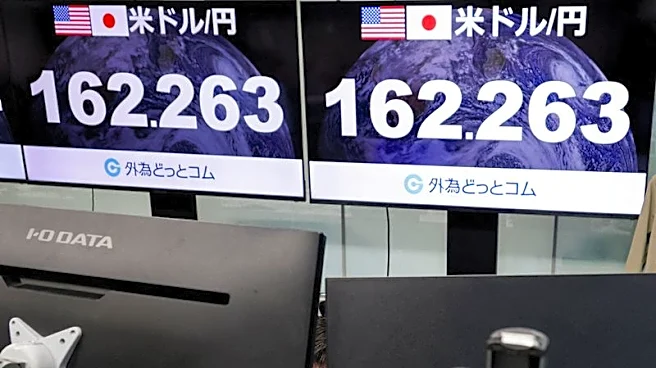
Japan and the U.S. have conducted a joint foreign exchange intervention to support the yen, marking the first such collaboration since 2011. The intervention was confirmed by Japan's Finance Ministry and aims to stabilize the yen's value amid its recent
decline. This coordinated effort reflects the countries' commitment to addressing currency market volatility and supporting economic stability.
Why It's Important?
The joint intervention by Japan and the U.S. underscores the importance of international cooperation in managing currency markets. A stable yen is crucial for Japan's economy, affecting trade balances and economic growth. For the U.S., a stable yen can help maintain balanced trade relations and prevent excessive currency fluctuations that could impact global markets. This move highlights the interconnectedness of global economies and the need for coordinated policy actions to address financial challenges.
What's Next?
The success of the intervention will depend on market reactions and the ability of both countries to maintain economic stability. Further interventions may be considered if the yen continues to face downward pressure. Policymakers will likely monitor economic indicators and market conditions closely to determine future actions. The intervention may also prompt discussions on broader economic policies and cooperation between Japan and the U.S.