







What's Happening?
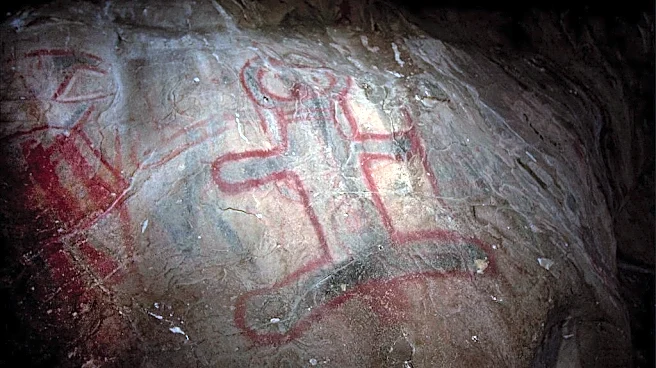
Recent research suggests that mysterious symbols found in the El Castillo cave in Spain may represent the earliest known depiction of mind-altering plants. These symbols, dating back 17,000 to 15,000 years, resemble the bell-shaped flowers of psychoactive
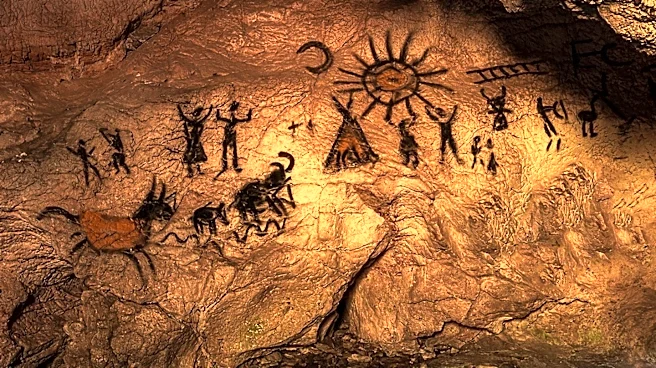
nightshades like belladonna or henbane. The study posits that these plants were used in shamanic rituals, a theory supported by similar findings at other prehistoric sites. If confirmed, this would push back the documented use of psychoactive plants by thousands of years, offering new insights into the cultural practices of Ice Age humans.
Why It's Important?
The potential identification of psychoactive plants in ancient cave art could significantly alter our understanding of prehistoric human culture and the role of mind-altering substances in early societies. This discovery highlights the complexity of Ice Age art and the possibility that such substances played a part in spiritual or ritualistic practices. It also underscores the importance of interdisciplinary research in archaeology, combining art history, anthropology, and botany to uncover new aspects of human history. These findings could lead to a reevaluation of the cultural and symbolic significance of plants in ancient societies.
Beyond the Headlines
The study of these symbols raises questions about the interpretation of prehistoric art and the assumptions made by early researchers. It challenges traditional views that often overlooked the role of plants in ancient cultures, suggesting a need for more nuanced analyses. Additionally, the research highlights the potential for modern scientific techniques, such as DNA analysis, to provide concrete evidence supporting these interpretations. This approach could open new avenues for understanding the interplay between humans and their environment in the distant past.