
What's Happening?
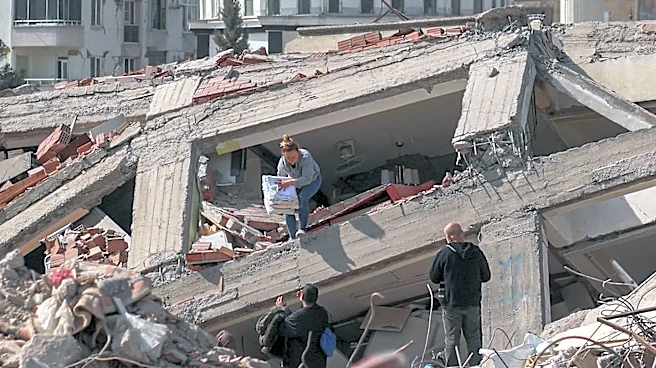
The Church of Jesus Christ of Latter-day Saints has announced a significant expansion of its relief efforts in Venezuela following two devastating earthquakes that struck the country on June 24, 2026.
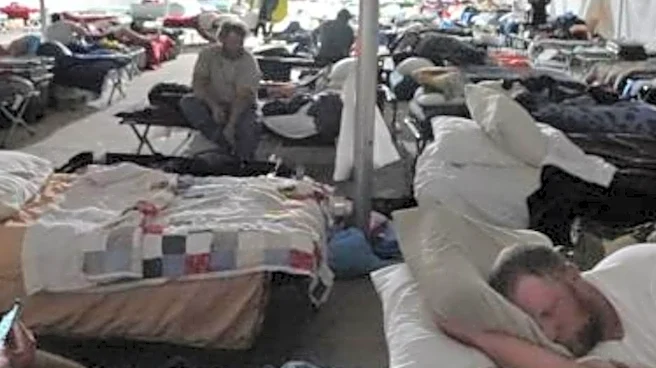
The Church is collaborating with several organizations, including the Adventist Development and Relief Agency, Project HOPE, and Catholic Relief Services, to provide $2.8 million in aid. This initiative includes the distribution of 5,000 food kits containing nonperishable items such as canned goods, energy bars, and bottled water. Additionally, the Church is working with Project HOPE to repair health facilities, provide medical supplies, and train health staff in emergency response. Catholic Relief Services is also involved in providing temporary shelters, hygiene kits, and water purification systems to affected families.
Why It's Important?
The relief efforts by The Church of Jesus Christ of Latter-day Saints are crucial in addressing the immediate needs of Venezuelans affected by the earthquakes. The collaboration with international organizations ensures a comprehensive approach to disaster relief, covering food security, healthcare, and shelter. This initiative not only provides immediate assistance but also strengthens the capacity of local health systems to respond to future emergencies. The involvement of multiple organizations highlights the importance of coordinated efforts in humanitarian aid, potentially setting a precedent for future disaster response strategies. The aid provided is vital for the survival and recovery of thousands of individuals and families in Venezuela, showcasing the role of faith-based organizations in global humanitarian efforts.
What's Next?
As the relief efforts continue, the focus will likely shift towards long-term recovery and rebuilding. The Church and its partners may engage in further initiatives to restore infrastructure and support economic recovery in the affected regions. Monitoring the effectiveness of the current aid distribution and adjusting strategies to meet evolving needs will be essential. The collaboration with local governments and communities will be crucial in ensuring sustainable recovery. Additionally, the training of health staff and community responders will have lasting benefits, enhancing the resilience of local health systems against future disasters.