





What's Happening?
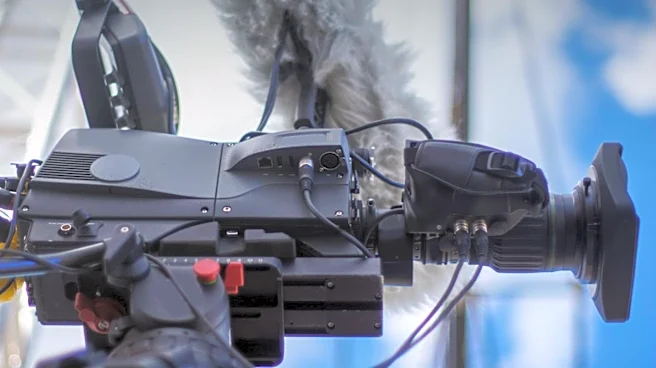
Yulia Bin, General Director of SE 'IBMPU', the Ukrainian international broadcaster, discussed the organization's evolving strategies and challenges in a major interview. The broadcaster, which operates channels like FREEДOM and Дім, is actively working
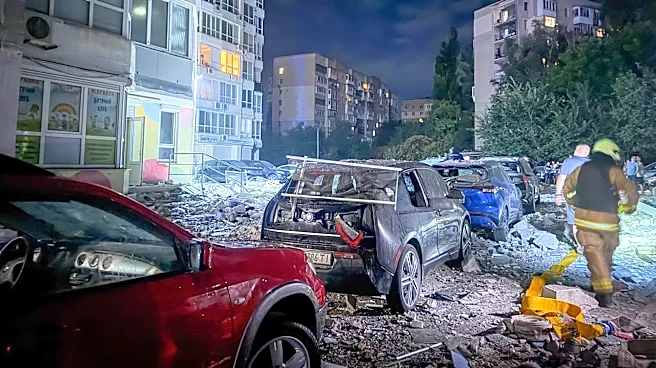
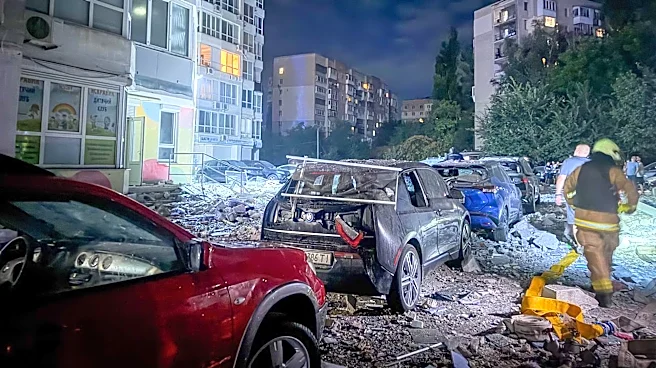
to counter Russian propaganda and reach diverse international audiences, including those in Russia and post-Soviet states. Despite facing significant obstacles, such as website blocks and channel bans in Russia, they utilize various digital platforms like YouTube, Telegram, Instagram, and TikTok to disseminate information. Bin highlighted that approximately 35-40% of FREEДOM's viewership, even with VPN error, originates from Russia, indicating a continued penetration of the Russian information space. The broadcaster also focuses on regional events, such as elections in Moldova and Armenia, and has launched initiatives like 'Turkic Focus' to engage specific linguistic and cultural groups. The organization has also had to rebuild its infrastructure after being hit by shelling, demonstrating resilience in maintaining continuous broadcasting.
Why It's Important?
The efforts of Ukrainian international broadcasters like SE 'IBMPU' are crucial in the ongoing information war, directly impacting global perceptions of the conflict and challenging dominant narratives. By actively reaching Russian-speaking audiences both within Russia and in post-Soviet countries, Ukraine aims to provide alternative perspectives and counter disinformation, which is vital for shaping public opinion and potentially influencing internal dynamics in these regions. The broadcaster's focus on highlighting issues like Russian chauvinism and the exploitation of indigenous peoples within Russia could contribute to internal dissent and weaken the Russian Federation's cohesion. Furthermore, the expansion into multiple languages and the use of AI for translation and content adaptation demonstrate a sophisticated approach to international communication, aiming to build broader alliances and support for Ukraine's cause. The resilience shown in rebuilding after physical attacks underscores the critical role of media in national defense and international relations during wartime.
What's Next?
SE 'IBMPU' plans to continue developing and strengthening its existing channels, FREEДOM and Дім, with a focus on expanding international coverage and content. They aim to enhance content quality and increase funding to support these initiatives. The broadcaster is also exploring new territories and languages, with plans to potentially launch a Chinese YouTube channel and further expand into the Global South. The development of new mobile applications for UATV and the continued push for FREEДOM FM radio, particularly for Belarus and Transnistria, indicate a strategic effort to diversify distribution channels and reach wider audiences. The organization will also continue to produce documentary and essay work, focusing on Ukrainian identity and historical narratives to counter Russian appropriations. The ongoing budget process will be critical in determining the extent of these future developments, as funding remains a significant challenge.
Beyond the Headlines
The interview reveals a deeper struggle for narrative control and the weaponization of information in modern warfare. Ukraine's strategic use of international broadcasting, including Russian-language content, challenges the conventional understanding of national communication during conflict. It highlights the ethical complexities of targeting an aggressor's population with information, aiming to foster dissent while navigating accusations of manipulation. The discussion about the use of AI, including avatars and advanced translation, showcases the cutting edge of media technology in propaganda and counter-propaganda efforts, raising questions about authenticity and the future of journalism. The emphasis on giving a platform to indigenous peoples of Russia and highlighting their historical grievances suggests a long-term strategy to exploit internal vulnerabilities within the Russian Federation, potentially leading to significant geopolitical shifts. This approach transcends immediate military objectives, aiming to reshape regional identities and power structures.