




What's Happening?
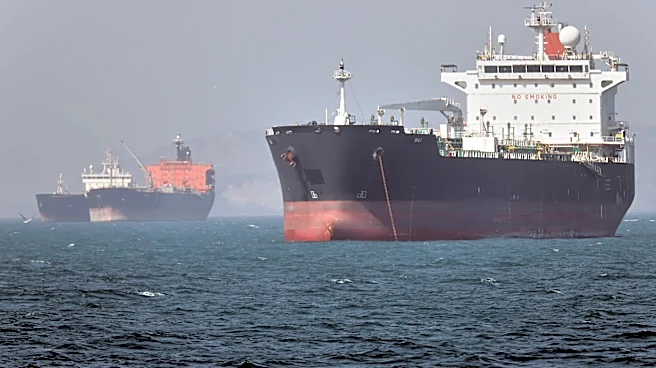
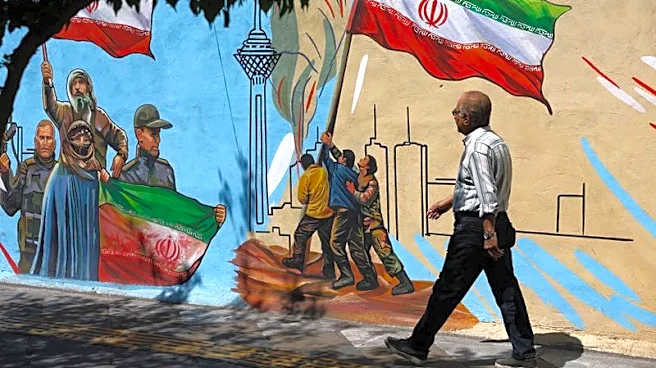
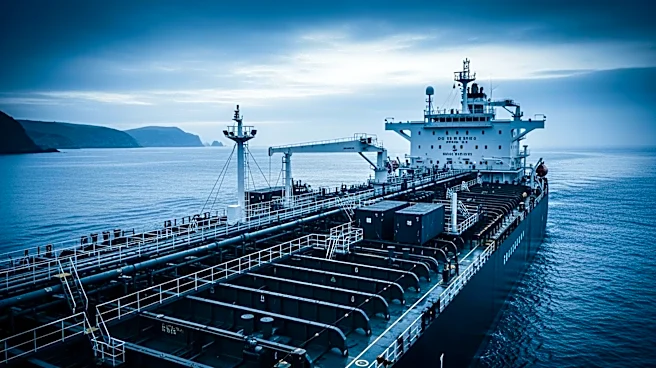
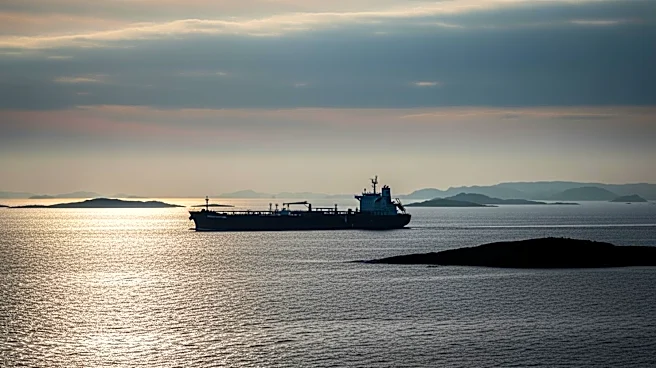
OPEC's crude oil production fell by 830,000 barrels per day in April, reaching a total of 20.04 million barrels per day, marking the lowest output in over 20 years. This decline is attributed to the U.S.-Israeli conflict with Iran, which led to the effective
closure of the Strait of Hormuz, a critical passage for oil exports. The situation forced several OPEC members to reduce their output. Notably, Kuwait experienced the largest production decline, while Saudi Arabia and Iraq also saw decreases. In contrast, the United Arab Emirates (UAE) increased its production and exports, utilizing alternative routes that bypass the Strait of Hormuz. The UAE's departure from OPEC, effective May 1, further highlights the shifting dynamics within the organization.
Why It's Important?
The significant drop in OPEC's oil production has broad implications for global oil markets and geopolitical stability. The reduction in output could lead to increased oil prices, affecting global economies and potentially exacerbating inflationary pressures. The geopolitical tensions in the Middle East, particularly involving Iran, underscore the vulnerability of global oil supply chains to regional conflicts. The UAE's decision to leave OPEC and increase its production independently may signal a shift in the balance of power within the oil-producing community, potentially leading to further fragmentation of OPEC's influence. This development could impact U.S. energy policy and its strategic interests in the region.
What's Next?
The ongoing geopolitical tensions and the UAE's departure from OPEC may lead to further volatility in the oil markets. Stakeholders, including governments and energy companies, will likely monitor the situation closely, adjusting their strategies to mitigate risks associated with supply disruptions. The U.S. and its allies may need to engage in diplomatic efforts to stabilize the region and ensure the security of oil supply routes. Additionally, OPEC may need to reassess its production strategies and member relations to maintain its relevance and influence in the global oil market.