





What's Happening?
Approximately 40% of the nearly 30,000 U.S. cities are currently experiencing population decline, a trend projected to affect 50% of cities within a century. This issue is particularly severe for smaller cities, those with populations between 10,000 and
20,000, which are facing significant infrastructure problems. According to civil and environmental engineer Sybil Derrible, a professor at the University of Illinois Chicago, about 12,000 cities, many in the Midwest, are already grappling with infrastructure challenges, with an additional 3,000 expected to by 2100. While the overall U.S. population is growing due to immigration, new arrivals tend to settle in suburbs rather than smaller, rural cities. This depopulation leads to a critical inability to maintain essential infrastructure systems, such as water distribution, roads, and buildings, as tax revenues shrink. The situation is unprecedented, and there are currently no established policies to address the unique challenges faced by depopulating cities.
Why It's Important?
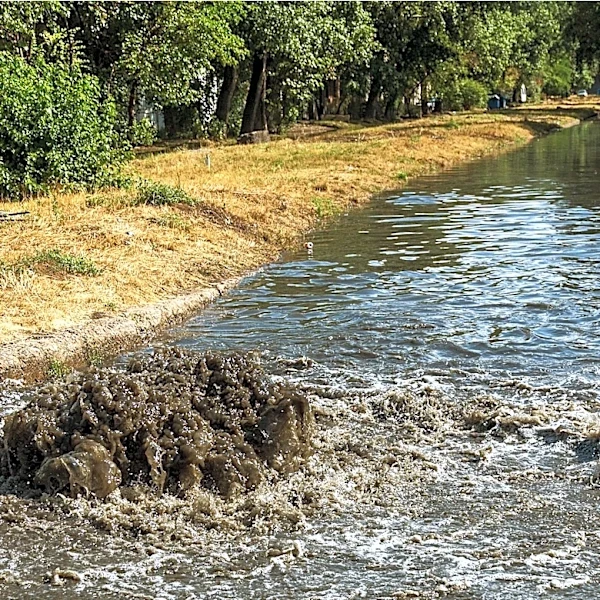
The shrinking populations in U.S. cities pose a significant threat to public health, safety, and economic stability. The inability to maintain critical infrastructure, such as water systems, can lead to crises akin to the Flint, Michigan, water disaster, where a cash-poor city switched water sources to cut costs, resulting in toxic water. Aging water infrastructure across the U.S. already leaks billions of gallons of treated drinking water annually, and the cost to upgrade these systems is estimated at hundreds of billions of dollars, far exceeding current funding. Furthermore, underutilized roads in depopulating cities become harder and more expensive to fix, impacting transportation and local economies. The decline in tax revenue also means less money to deal with aging or empty buildings, which can become hazards or remain vacant due to the higher cost of retrofitting compared to new construction. This trend could exacerbate economic disparities and create 'unlivable' conditions in affected areas.
What's Next?
The immediate future for depopulating U.S. cities involves a continued struggle to maintain essential services and infrastructure without adequate financial resources or policy frameworks. Professor Sybil Derrible highlights the urgent need for policymakers, engineers, scientists, and city planners to collaborate on solutions. Potential strategies include re-evaluating and potentially abandoning underutilized roadways, or repurposing them, as seen in some Japanese cities. For abandoned buildings, a focus on removing hazardous materials is crucial, followed by either demolition or stripping structures for reusable materials, which could create new job opportunities in urban mining. However, without comprehensive policies and funding mechanisms, many smaller cities risk further deterioration of their infrastructure and quality of life. The challenge lies in developing innovative approaches to manage decline and transform it into an opportunity for sustainable urban restructuring.
Beyond the Headlines
The phenomenon of shrinking cities extends beyond immediate infrastructure concerns, touching upon deeper societal and economic implications. The lack of policies to address depopulation reflects a broader societal challenge in adapting to demographic shifts. The preference of immigrants for suburban areas over smaller, rural cities highlights evolving settlement patterns and the need for regional development strategies that consider these dynamics. The potential for 'urban mining'—reusing materials from abandoned buildings—presents an innovative approach to resource management and job creation, shifting the narrative from decay to sustainable repurposing. This situation also raises ethical questions about equitable resource distribution and the responsibility of state and federal governments to support communities facing decline, ensuring that residents in these areas are not neglected. The long-term impact could redefine urban planning, emphasizing resilience and adaptability over continuous growth models.