



What's Happening?
NPR's recent podcast episode focused on the Trump administration's decision to remove transgender troops from military service, highlighting the emotional and operational impact of this policy. The episode featured retired General Stanley McChrystal,
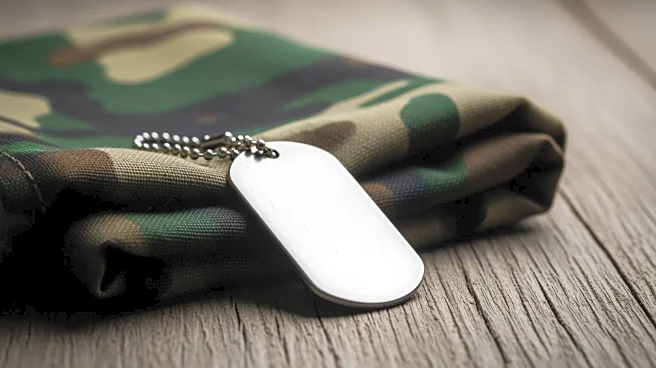
who criticized the policy as detrimental to military readiness. The podcast included personal stories from transgender service members who have been affected by the policy, emphasizing the challenges they face in maintaining their positions while concealing their identities. The Human Rights Campaign organized a retirement ceremony for affected service members, underscoring the lack of official recognition from the Pentagon.
Why It's Important?
The removal of transgender troops from the military raises significant concerns about inclusivity and operational effectiveness within the U.S. armed forces. Critics argue that the policy undermines military readiness by excluding capable individuals based on gender identity. This decision also reflects broader societal debates about LGBTQIA+ rights and the role of identity politics in government policies. The policy's impact extends beyond the military, influencing public discourse on civil rights and equality, and potentially affecting the morale and cohesion of military units.
What's Next?
The ongoing debate over the inclusion of transgender individuals in the military is likely to continue, with potential legal challenges and advocacy efforts from civil rights organizations. Future administrations may revisit this policy, considering the evolving public opinion and legal landscape regarding LGBTQIA+ rights. The military may also face internal discussions on how to balance inclusivity with operational requirements, potentially leading to new guidelines or training programs to support diverse service members.
Beyond the Headlines
The removal of transgender troops highlights broader issues of discrimination and the struggle for equal rights within institutions traditionally resistant to change. This policy decision may have long-term implications for recruitment and retention, as well as the military's reputation as an inclusive employer. Additionally, it raises ethical questions about the balance between individual rights and institutional policies, prompting discussions on how to create a more equitable environment for all service members.