



What's Happening?
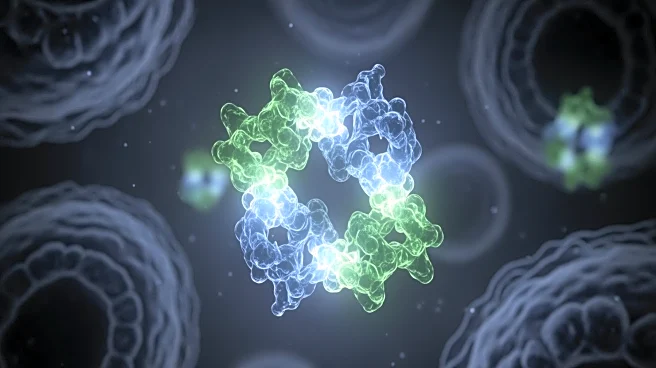
Researchers at NYU Langone Health have discovered that a protein produced by stressed cancer cells, known as lipocalin 2 (LCN2), helps lung and pancreatic tumors evade the immune system. The study, published in the journal Nature, highlights how LCN2 enables
tumors to resist immune attacks by manipulating macrophages, a type of immune cell, into an immunosuppressive state. This prevents cancer-killing T cells from infiltrating the tumor. The research team developed an antibody therapy to block LCN2, which allowed T cells to penetrate tumors and slow cancer growth in mice. The study suggests that targeting LCN2 could enhance the effectiveness of immunotherapies in treating aggressive cancers.
Why It's Important?
The findings from this study have significant implications for cancer treatment, particularly in enhancing the efficacy of immunotherapies. By targeting LCN2, a protein that shields tumors from immune attacks, new therapies could potentially improve survival rates for patients with aggressive cancers like lung and pancreatic cancer. The study also provides a rationale for developing LCN2-targeted therapies, which could be a breakthrough in overcoming resistance to current immunotherapy treatments. This research could lead to more effective treatment options and improved outcomes for cancer patients, addressing a critical need in oncology.
What's Next?
Following the promising results in mice, the next steps involve exploring the potential of LCN2-targeted therapies in human clinical trials. Researchers aim to determine whether this mechanism is active in other cancer types that resist immunotherapy. The development of such therapies could revolutionize cancer treatment by making tumors more susceptible to immune system attacks. Additionally, further studies will be needed to assess the long-term effects and safety of LCN2-targeted treatments in humans.