


What's Happening?
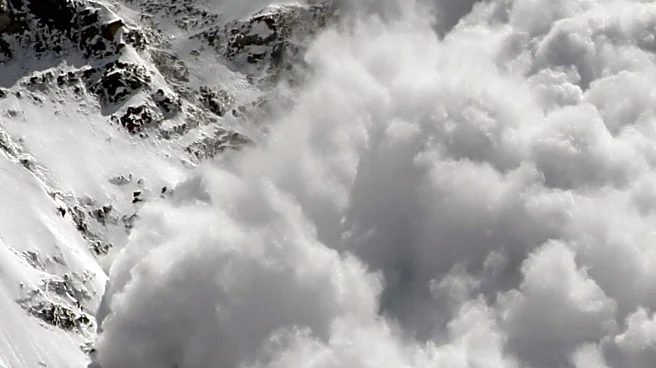
The Ministry of Home Affairs (MHA) has instructed Jammu and Kashmir, along with other Himalayan States and Union Territories, to bolster their early-warning and monitoring systems for glacial lake outburst floods (GLOFs) and snow avalanches. The directive
emphasizes the need for advance risk assessment and timely evacuation measures. This instruction was issued during a review meeting chaired by Union Home Secretary Govind Mohan, attended by senior officials from Jammu and Kashmir, Uttarakhand, Himachal Pradesh, Sikkim, and Arunachal Pradesh, as well as representatives from central disaster management and scientific agencies. The meeting focused on assessing preparedness across the Himalayan region, including identifying vulnerable glacial lakes, avalanche-prone zones, potential flood flow paths, and areas requiring enhanced surveillance. For Jammu and Kashmir, these directions are particularly significant due to its high-altitude areas being susceptible to avalanches and other mountain hazards, especially during heavy snowfall, rapid warming, and extreme weather events.
Why It's Important?
This directive is crucial for mitigating the increasing risks posed by climate-linked hazards in the Himalayan region. Changing weather patterns and accelerated glacier melt are heightening the threat of unstable glacial lakes and avalanches, which can lead to significant loss of life and damage to infrastructure. By shifting from a response-based approach to one focused on advance risk assessment, preventive mitigation, and community-level preparedness, the MHA aims to minimize the impact of these natural disasters. Strengthening early-warning systems ensures that alerts from scientific and technical agencies reach district administrations and vulnerable communities promptly, enabling timely preventive action and evacuation. This proactive stance is vital for protecting the lives and livelihoods of residents in high-altitude areas and safeguarding critical infrastructure, contributing to regional stability and resilience against climate change impacts.
What's Next?
The MHA has urged authorities to ensure that alerts generated by scientific and technical agencies are promptly communicated to district administrations and vulnerable communities, followed by appropriate preventive action. States and UTs have also been directed to review their existing disaster management and evacuation plans, identify gaps, and implement corrective measures before extreme weather events occur. Furthermore, the meeting reviewed GLOF mitigation projects sanctioned by the Centre in 2024 and called for their expedited implementation. Regular sharing of risk information among government departments, district administrations, and scientific institutions is also stressed to improve coordination and preparedness. These measures indicate a concerted effort to enhance disaster readiness, with ongoing monitoring and implementation of mitigation projects expected in the coming months and years.
Beyond the Headlines
Beyond the immediate disaster preparedness, this initiative highlights the broader implications of climate change on vulnerable mountainous regions. The increased frequency and intensity of GLOFs and avalanches underscore the urgent need for comprehensive climate adaptation strategies. This includes not only early warning systems but also long-term ecological management, sustainable development practices, and community education to build resilience. The emphasis on inter-agency coordination and information sharing reflects a growing recognition that complex environmental challenges require integrated governance approaches. This directive could also spur further scientific research into glacial dynamics and climate modeling in the Himalayas, leading to more accurate predictions and better-informed policy decisions. Ultimately, the success of these measures will depend on sustained political will, adequate resource allocation, and active community participation in building a safer and more resilient future for the Himalayan region.