





What's Happening?
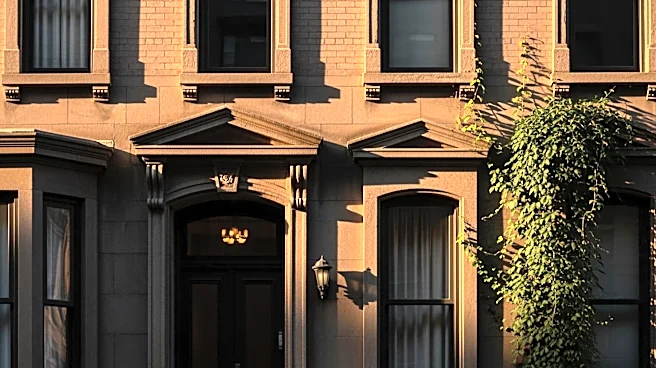
A historic 1860s Italianate brownstone located on Columbia Heights in Brooklyn has been listed for sale at $15 million. The property, which offers stunning views of the East River and iconic New York landmarks, has been abandoned for decades. Owned by
Austin Moore, a local psychiatrist, since 1969, the brownstone has accumulated numerous fines and violations due to its neglected state. Despite its dilapidation, the property is considered a valuable asset due to its prime location and historical significance. The listing agent, Vicki V. Negron, has long desired to represent the property and finally secured the listing through a personal connection to the owner.
Why It's Important?
The sale of this brownstone highlights the ongoing demand for historic properties in prime locations, even those requiring significant renovation. The property's listing at $15 million underscores the high value of real estate in Brooklyn Heights, a neighborhood known for its historical architecture and affluent residents. The sale could potentially lead to a significant restoration project, contributing to the preservation of the area's architectural heritage. Additionally, the transaction reflects broader trends in the real estate market, where unique and well-located properties continue to attract high prices despite their condition.
What's Next?
The brownstone is expected to attract buyers with the financial capability to undertake extensive renovations, estimated to cost between $10 million and $16 million. The new owner will likely need to navigate the Landmarks Preservation Commission's regulations to maintain the property's historical facade while modernizing its interior. The sale could set a precedent for other neglected properties in the area, encouraging owners to capitalize on the rising property values in Brooklyn Heights. The outcome of this sale may also influence future real estate transactions in the neighborhood.
Beyond the Headlines
The brownstone's sale raises questions about the responsibilities of property owners in maintaining historical buildings. The property's long period of neglect highlights the challenges faced by cities in enforcing maintenance standards for privately owned historic properties. This case may prompt discussions on policy measures to prevent similar situations in the future, ensuring that valuable architectural heritage is preserved for future generations.