
What's Happening?
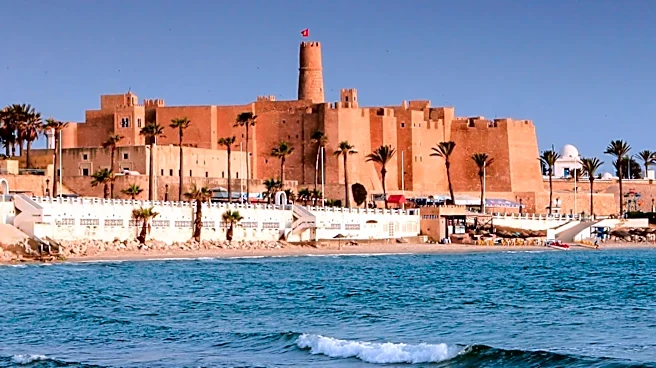
Tunisian President Kais Saied has publicly accused unnamed parties of orchestrating recent water and electricity outages across the country, labeling them as 'deliberate actions' intended to incite tension and destabilize the domestic situation. During
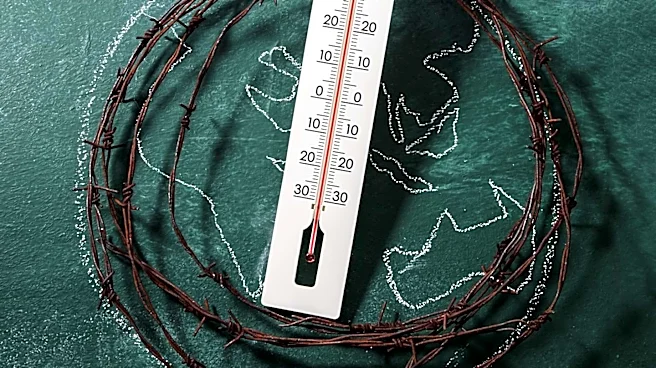
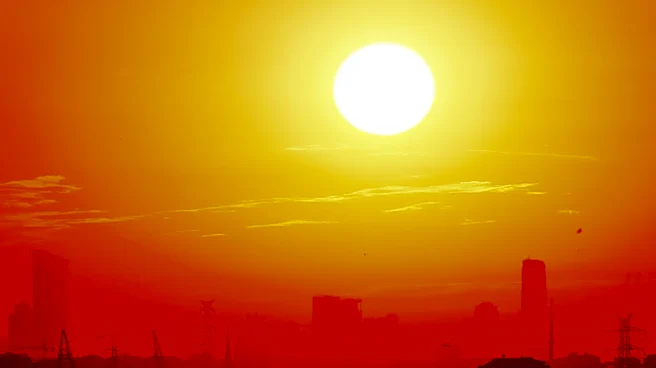
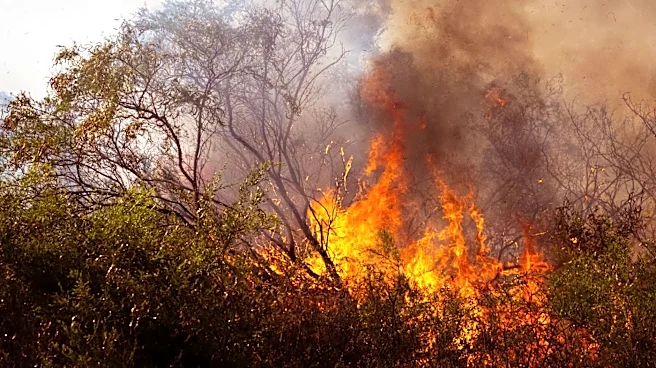
a meeting at the Carthage Palace with government officials and heads of public utility companies, Saied stated that investigations indicate these disruptions are not mere technical faults but organized operations designed to spread misinformation and create disorder, potentially through infrastructure sabotage. These outages have occurred amidst a second intense heatwave, with temperatures reaching up to 49 degrees Celsius, significantly increasing demand on the electricity grid and water distribution systems. The disruptions have led to prolonged cuts, some lasting over ten hours, affecting various regions including the capital, Tunis. The President praised the efforts of workers from the Tunisian Company of Electricity and Gas (STEG) and the National Water Distribution Utility (SONEDE) and assured the public that those responsible have been 'exposed' and concrete measures will follow.
Why It's Important?
President Saied's allegations of deliberate sabotage against critical infrastructure highlight a significant political and social challenge within Tunisia. By attributing the widespread utility failures to 'enemies of the homeland' rather than technical or systemic issues, the government frames the problem as an act of internal destabilization. This narrative could be used to justify stricter measures against dissent or opposition, potentially further consolidating Saied's power, which he has held with near-total authority since 2021. The ongoing utility crises, exacerbated by extreme heat, directly impact the daily lives of Tunisian citizens, leading to public discontent and protests. The disruption of essential services like water and electricity, particularly during severe weather, can fuel social unrest and erode public trust in government institutions. Economically, these outages can hinder productivity, impact businesses, and deter investment, further straining Tunisia's already fragile economy. The situation also raises concerns about the transparency of investigations and the potential for political scapegoating in a country where civil liberties have reportedly been curtailed.
What's Next?
Following President Saied's accusations, concrete measures are expected to be announced, which could include intensified investigations, arrests, or new policies aimed at securing critical infrastructure. The government may implement stricter controls on information dissemination to counter what it perceives as misinformation campaigns. Public utility companies like STEG and SONEDE will likely face increased pressure to improve service reliability, potentially through emergency infrastructure upgrades or revised operational protocols. However, if the underlying issues are indeed systemic or related to aging infrastructure and increased demand due to climate change, these measures might only offer temporary relief. The political climate is likely to remain tense, with potential for further protests from citizens demanding improved basic services and an end to rising living costs. International human rights organizations will continue to monitor the situation, particularly concerning any actions taken against individuals accused of orchestrating the outages, given previous concerns about restrictions on freedoms and the prosecution of critics.
Beyond the Headlines
The President's claims of 'deliberate actions' against infrastructure point to a deeper struggle for political control and stability in Tunisia. This narrative, which attributes domestic problems to external or internal 'enemies,' is a common tactic used by leaders to rally support and deflect criticism from governance failures. The severe heatwaves and the resulting strain on utilities underscore the growing impact of climate change on essential services, a challenge that many nations, including Tunisia, are ill-equipped to handle. The intertwining of environmental stress with political instability creates a complex crisis where genuine infrastructure deficiencies can be conflated with alleged sabotage. This situation also highlights the vulnerability of public services in countries undergoing political transitions or facing economic hardship. The long-term implications could include a further erosion of democratic norms, increased state control over public discourse, and a deepening of societal divisions if the government's response prioritizes political consolidation over addressing the root causes of infrastructure fragility and public discontent.