





What's Happening?
Beverly Hills has established specific and rigorous requirements for homeowners looking to convert garages into Accessory Dwelling Units (ADUs). Unlike other areas in Los Angeles, Beverly Hills operates its own planning, building, and utility departments,
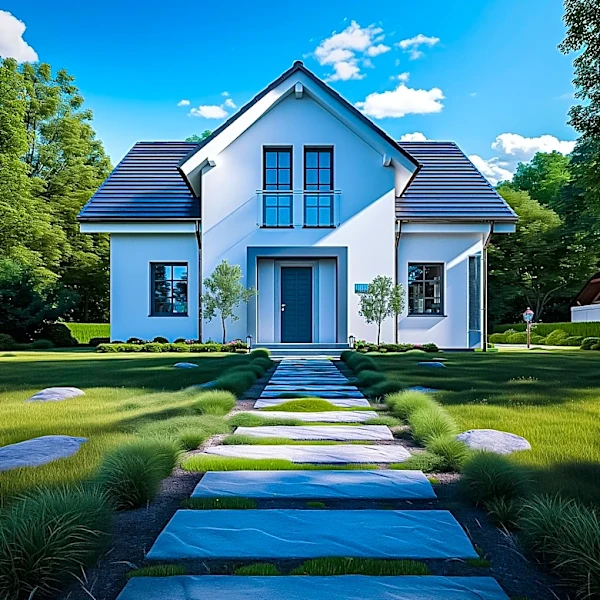
leading to a distinct and often more complex permit process. Garages built between the 1920s and 1960s, common conversion candidates, frequently require extensive upgrades such as full electrical panel enhancements, seismic retrofitting for unreinforced masonry or post-and-beam frames, and entirely new plumbing systems to meet current codes. A key mandate is that the finished ADU must architecturally match the primary residence, necessitating more detailed design work and permit coordination. Additionally, properties in hillside neighborhoods north of Sunset, including Trousdale Estates, face Chapter 7A fire-resistive requirements, adding to the construction costs and complexity. The city's independent water and sewer system, managed by Beverly Hills Public Works, also means unique utility connection fees, capacity charges, and inspection schedules.
Why It's Important?
These stringent regulations in Beverly Hills significantly impact homeowners and contractors involved in ADU projects. For homeowners, the requirement for architectural matching, extensive structural upgrades, and adherence to specific fire-resistive codes in certain areas translates to higher costs and longer project timelines compared to other parts of Los Angeles. The independent utility system further complicates matters, as contractors familiar with LA City procedures may face unexpected fees and processes. This localized regulatory environment creates a specialized market, favoring contractors with specific expertise in Beverly Hills' unique requirements. While these measures aim to maintain the aesthetic integrity and safety standards of the city's housing stock, they also pose financial and logistical challenges, potentially limiting the accessibility of ADU conversions for some residents and influencing property values and development patterns within the city.
What's Next?
Homeowners in Beverly Hills planning garage conversions will need to engage with specialized contractors and design professionals who are well-versed in the city's unique permit and building codes. The process will involve detailed site assessments, comprehensive architectural drawings that ensure aesthetic consistency with the primary home, and careful coordination with Beverly Hills' independent public works department for utility connections. Given the complexity, obtaining a written, line-itemed price before any work commences will be crucial for managing expectations and budgets. The city's design-review process will continue to be a critical hurdle, often requiring adjustments to plans to ensure architectural harmony. Future developments may see an increase in demand for contractors who can navigate these specific local regulations efficiently, potentially leading to more streamlined, albeit still costly, conversion processes over time.
Beyond the Headlines
The Beverly Hills approach to garage conversions highlights a broader trend in affluent communities where maintaining architectural integrity and high safety standards often takes precedence, even if it results in increased costs and regulatory burdens. This emphasis on aesthetic consistency and structural resilience reflects the city's commitment to preserving its distinctive character and property values. However, it also underscores a potential tension between urban development goals, such as increasing housing density through ADUs, and local preservation efforts. The independent utility and regulatory systems in Beverly Hills create a micro-market that can serve as a case study for how local governance can significantly shape construction practices and housing affordability. This localized control, while ensuring quality and consistency, also creates barriers to entry for less specialized contractors and can inadvertently limit housing options for residents seeking more affordable living spaces within the city.