







What's Happening?
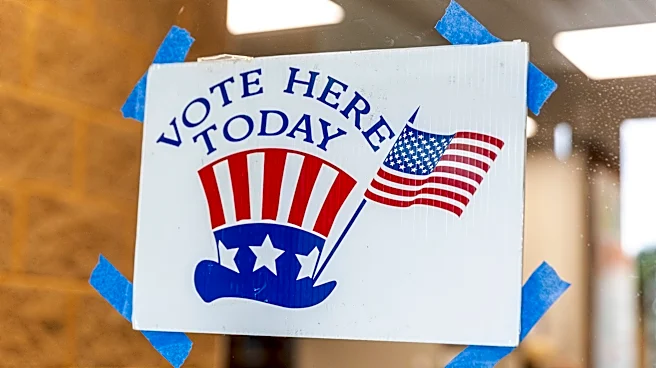
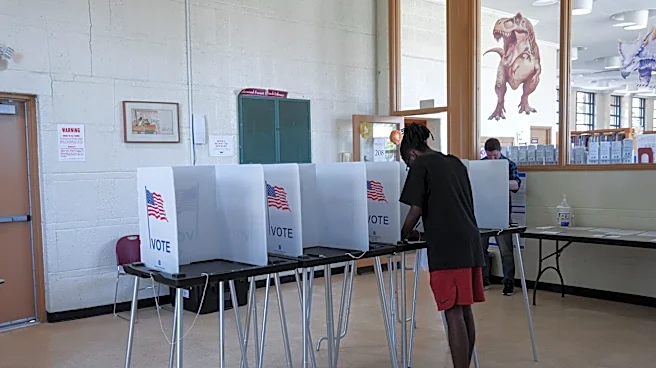
Michigan voters participated in primary elections with a focus on economic issues and a desire for political change. Many voters cited concerns about the cost of living, government leadership, and the need for community investments as key factors influencing
their decisions. The primary included major party nominations for governor, the US Senate, and the US House, along with several local ballot initiatives. Voter turnout was significant, with over 1.3 million absentee ballots cast before Election Day. The election highlighted a mix of priorities, with some voters emphasizing economic challenges and others focusing on political reform and leadership.
Why It's Important?
The primary election results in Michigan reflect broader national trends where economic concerns and dissatisfaction with current political leadership are driving voter behavior. The focus on issues such as inflation, job creation, and community development underscores the challenges facing policymakers as they address the needs of constituents. The election also highlights the ongoing debate over the direction of political parties, with some voters seeking more progressive policies while others prioritize traditional economic and governance issues. The outcomes of these primaries could influence the political landscape in Michigan and potentially impact national politics.
What's Next?
As the general election approaches, candidates will likely focus on addressing the economic concerns raised by voters. Political parties may need to reassess their platforms and strategies to align with voter priorities, particularly in key battleground states like Michigan. The results of the primary could also influence national party dynamics, as candidates who resonate with voter concerns gain prominence. Additionally, the election outcomes may prompt discussions on policy reforms aimed at addressing economic challenges and improving government accountability.