
What's Happening?
A recent study published in Nature Communications has identified the enzyme sirtuin 6 (SIRT6) as a crucial regulator of brain metabolism, with significant implications for aging and neurodegenerative diseases.
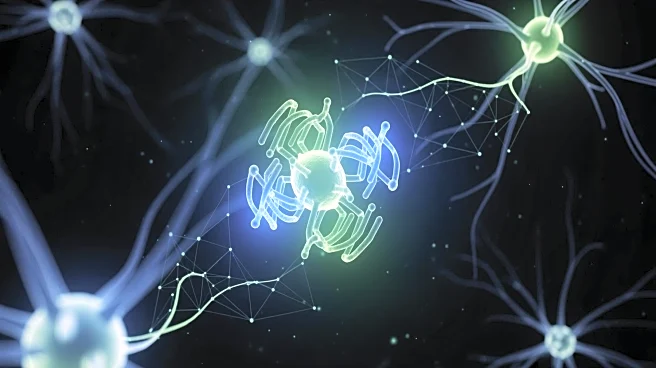
Researchers from Ben-Gurion University and other international institutions discovered that SIRT6 acts as a biochemical traffic controller, managing the distribution of tryptophan, an essential amino acid. This enzyme's activity influences the production of serotonin and melatonin, which are vital for mood and sleep regulation. As SIRT6 activity declines with age, tryptophan is increasingly diverted to the kynurenine pathway, leading to the production of neurotoxic metabolites. This shift contributes to neurological damage, but the study found that inhibiting the enzyme TDO2 can mitigate these effects, suggesting potential therapeutic strategies.
Why It's Important?
The findings of this study are significant as they offer a new perspective on the relationship between aging and brain function, highlighting a specific metabolic malfunction rather than inevitable wear and tear. This discovery opens up new avenues for pharmacological interventions targeting SIRT6 to prevent or reverse neurological damage associated with aging. The research also suggests potential for developing early diagnostic biomarkers based on shifts in tryptophan metabolites or SIRT6 activity levels. This could lead to earlier detection and treatment of cognitive decline, mood disorders, and sleep disruptions, potentially improving quality of life for aging populations.
What's Next?
The study's implications suggest a shift in focus for longevity and neurological research towards metabolic regulation. Future research may explore the development of SIRT6 activators or TDO2 inhibitors as therapeutic agents. Additionally, the potential for using tryptophan metabolite shifts as biomarkers could lead to new diagnostic tools. The existing research on TDO2 in other therapeutic areas, such as cancer, may expedite the development of treatments for neurological conditions. Continued collaboration among international research institutions will be crucial in advancing these findings into practical applications.