
What's Happening?
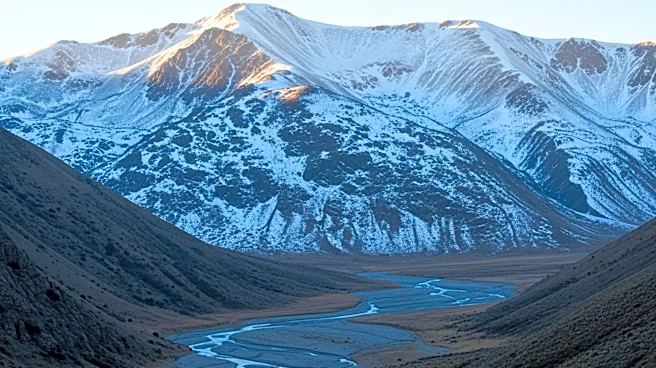
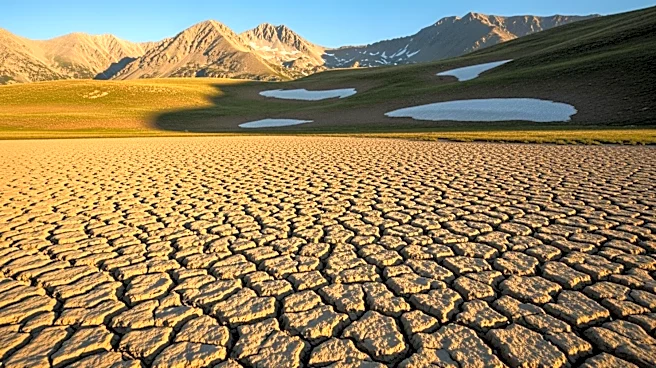
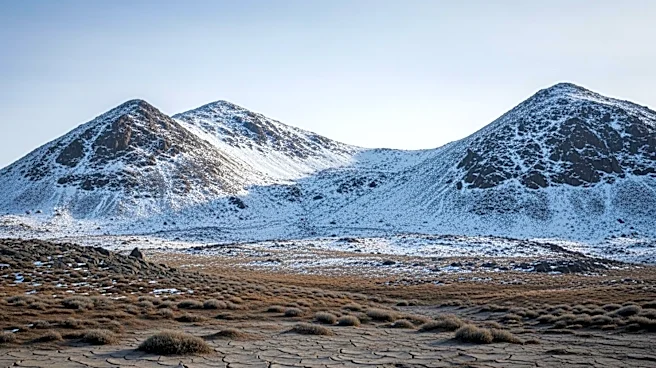
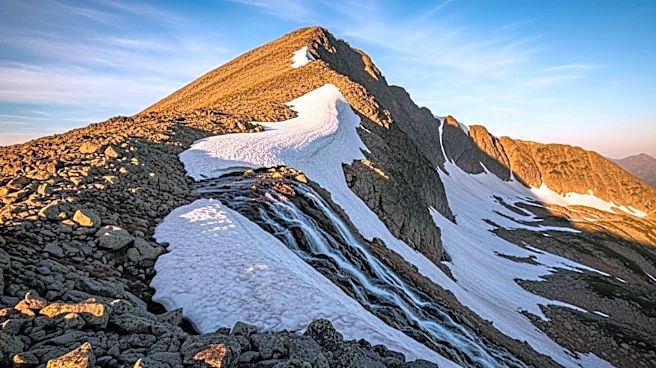
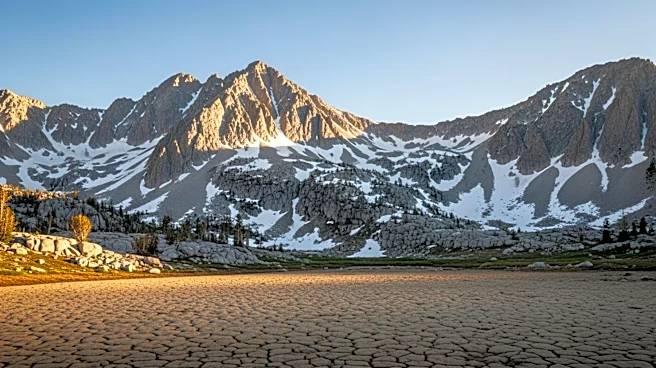
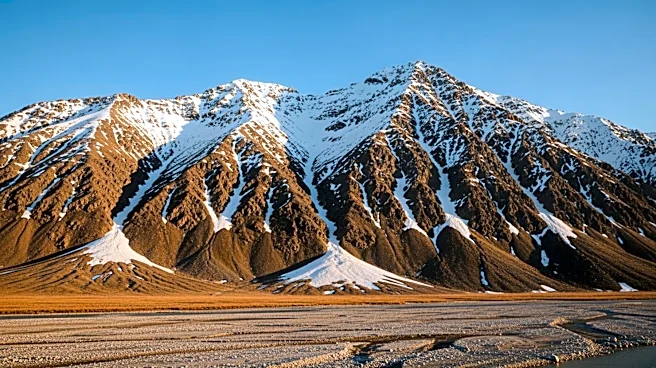
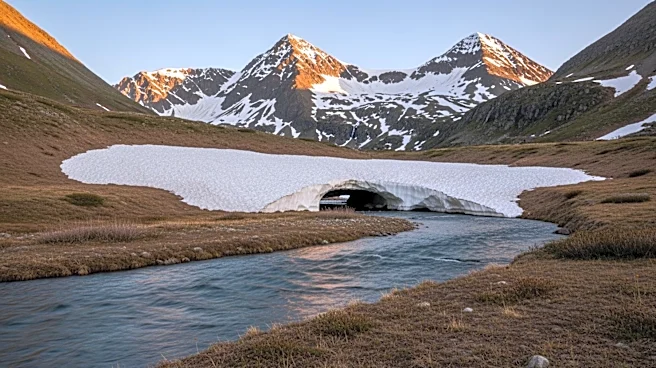
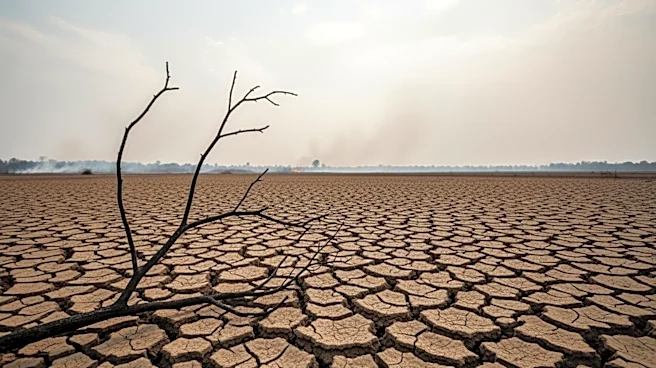
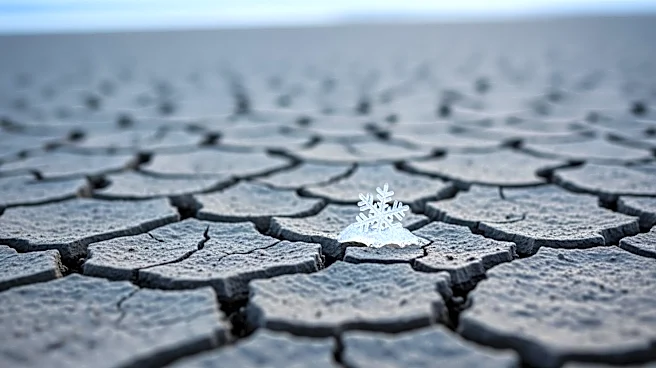
The Sierra Nevada snowpack, a vital source of water for California, has reached only 18% of its historical average, marking the second-lowest April 1 reading in recorded history. This decline is attributed to record high temperatures in March, which rapidly
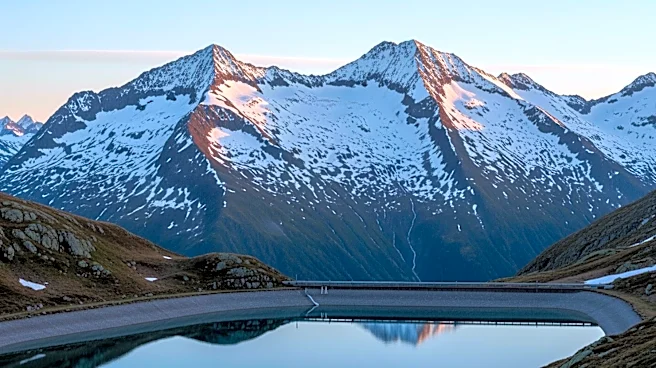
melted the snowpack. Despite the low snow levels, water managers indicate that California is not currently facing drought conditions, thanks to full reservoirs from previous wet winters. However, the lack of snow raises concerns about water availability in the future, especially if the next winter is dry. The situation highlights the need for improved water storage and management strategies to adapt to the changing climate.
Why It's Important?
The reduced snowpack poses a significant threat to California's water resources, as it traditionally provides a substantial portion of the state's water supply. The early melt increases the risk of wildfires and strains water resources, as reservoirs may not be replenished in the coming months. This situation underscores the importance of adapting water management systems to handle more frequent and intense climate variations. The state may need to invest in infrastructure to capture and store water more effectively, ensuring a reliable supply for agriculture, urban areas, and ecosystems.
What's Next?
California will need to focus on expanding its water storage capacity and implementing conservation measures to address the challenges posed by the reduced snowpack. This could involve building new reservoirs, enhancing groundwater storage, and promoting water-efficient practices among residents and businesses. Policymakers and water managers will need to collaborate on strategies to ensure water security in the face of climate change, preparing for potential drought conditions if future winters are similarly dry.