



What's Happening?
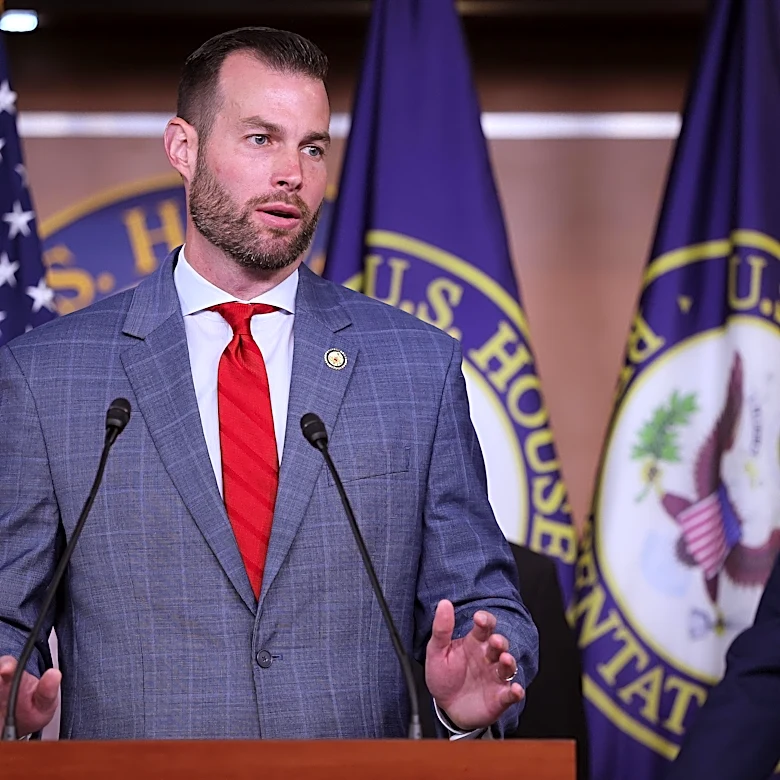
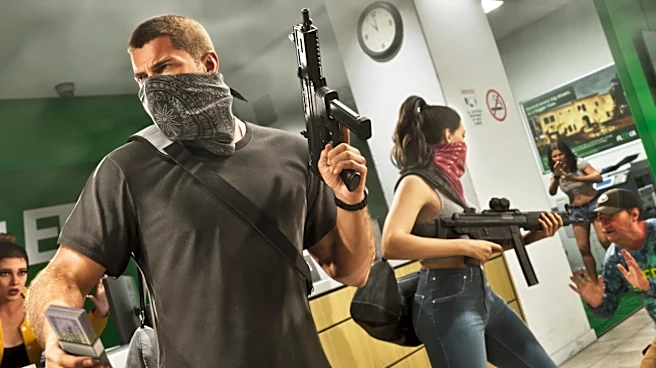
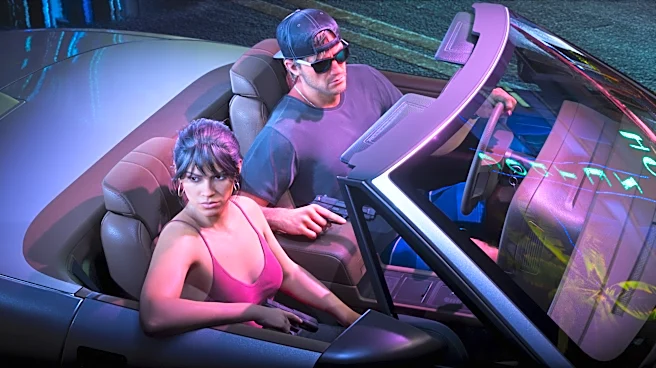
U.S. Representative Tim Burchett, a Republican from Tennessee, has voiced strong criticism against the upcoming video game Grand Theft Auto 6 (GTA 6). Ahead of the game's release, Burchett stated that he views the game as an 'instruction manual for committing
crimes' and believes it desensitizes children to violence, potentially negatively affecting their behavior. He echoed a common argument among video game opponents that violent entertainment can provoke real-life aggression. When asked if parents who allow their children to play GTA 6 are 'bad parents,' Burchett affirmed this view. Despite his strong opinions, Burchett acknowledged that he can do little to influence the game's distribution, citing a lack of congressional support for legislative initiatives that would regulate such matters from a moral standpoint. He emphasized that parents need to take responsibility for raising their children.
Why It's Important?
Congressman Burchett's comments highlight a long-standing debate in the U.S. regarding the impact of violent video games on youth behavior and societal aggression. This discussion often resurfaces with the release of highly anticipated titles like GTA 6, which are known for their mature themes. While Burchett's stance reflects concerns held by some parents and policymakers, his admission of limited legislative power underscores the challenges in regulating content based on moral objections in a country that values free expression. The debate touches upon parental responsibility, the role of government in media regulation, and the scientific evidence (or lack thereof) linking video game violence to real-world aggression. For the video game industry, such criticisms, while not leading to immediate legislative action, can contribute to public perception issues and ongoing scrutiny.
What's Next?
The release of Grand Theft Auto 6 is expected to reignite public discussion and media scrutiny regarding the content of video games and their perceived influence on players, particularly minors. While Congressman Burchett indicated a lack of current legislative support for regulating such games, his comments could contribute to broader conversations among parent groups, educators, and advocacy organizations. The video game industry, including developers like Rockstar Games, will likely continue to face questions about content ratings and their responsibility in marketing mature-rated games. The ongoing debate may also prompt further academic studies into the psychological and behavioral effects of violent video games, though definitive conclusions on a direct causal link to real-world violence remain elusive and highly contested.
Beyond the Headlines
The controversy surrounding GTA 6, as articulated by Congressman Burchett, delves into deeper societal questions about media literacy, the evolving nature of entertainment, and the boundaries of artistic expression versus public safety. It reflects a cultural tension between those who view video games as a form of art and entertainment, and those who see them as potential catalysts for negative social behaviors. This discussion also touches upon the concept of 'moral panics' often associated with new forms of media throughout history. The lack of legislative action, despite strong moral objections from some lawmakers, suggests a prevailing view that parental guidance and existing rating systems are the primary mechanisms for managing children's exposure to mature content, rather than government censorship or broad regulation.