


What's Happening?
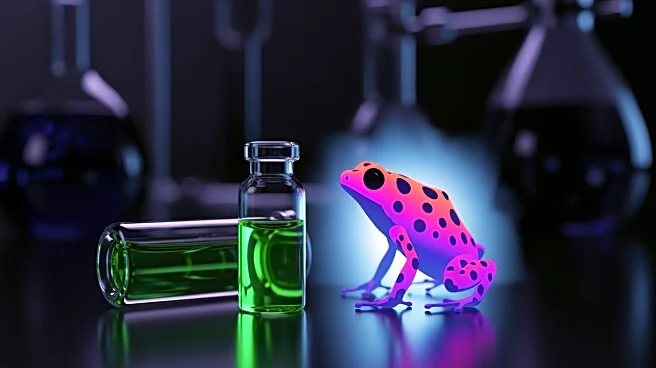
European intelligence agencies have confirmed that Russian opposition leader Alexei Navalny was poisoned with a toxin from Ecuadorian dart frogs while imprisoned in Russia. The U.K. and its European allies, including Sweden, France, the Netherlands, and Germany,
collaborated on laboratory testing that identified the presence of epibatidine in Navalny's body. The U.K.'s Foreign, Commonwealth & Development Office stated that only the Russian state had the means, motive, and opportunity to deploy this toxin against Navalny during his imprisonment. Navalny died in February 2024 in a high-security penal colony, and his widow, Yulia Navalnaya, has accused President Putin of orchestrating the poisoning, a claim Moscow denies.
Why It's Important?
This revelation intensifies scrutiny on Russia's handling of political dissidents and its alleged use of chemical weapons. The findings could lead to diplomatic repercussions, including potential sanctions and increased isolation of Russia by Western nations. The incident underscores the risks faced by opposition figures in Russia and may influence international policies on human rights and the protection of political activists. The use of a rare toxin also raises concerns about the proliferation of chemical weapons and the need for global cooperation to prevent their misuse.
What's Next?
The European countries involved are likely to seek accountability through international organizations, potentially leading to sanctions or diplomatic actions against Russia. The Kremlin's response will be pivotal in shaping future relations with Europe and addressing concerns about political repression. The international community may also increase efforts to safeguard dissidents and strengthen regulations against the use of chemical weapons.
Beyond the Headlines
The use of a toxin from Ecuadorian dart frogs suggests a high level of sophistication and access to exotic poisons, highlighting the potential for state-sponsored chemical attacks. This incident may prompt discussions on the ethical and legal implications of using chemical weapons in political conflicts and the need for stronger international oversight and enforcement.