






What's Happening?
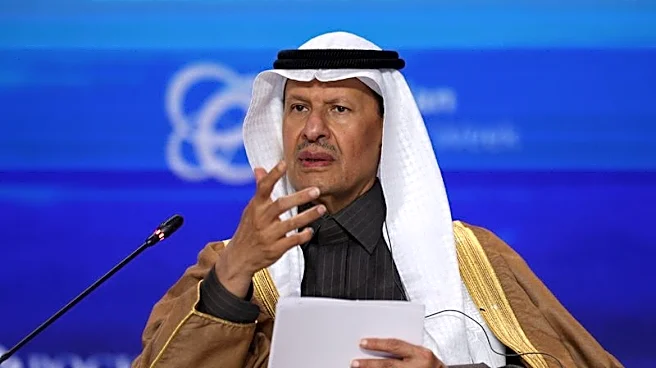
OPEC+ has agreed to a modest increase in oil production quotas for June, following the unexpected departure of the United Arab Emirates (UAE) from the group. The decision was made during a video conference, where seven countries, including Saudi Arabia
and Russia, committed to adding 188,000 barrels per day. This move comes as the group seeks to maintain stability and cohesion despite the UAE's exit, which was announced on April 28 and formalized on May 1. The UAE's departure highlights longstanding tensions with OPEC's de facto leader, Saudi Arabia, over oil policy and regional influence. The UAE plans to accelerate its own production growth, independent of OPEC quotas, potentially setting the stage for future market shifts.
Why It's Important?
The UAE's exit from OPEC+ could have significant implications for global oil markets. As a major oil producer, the UAE's ability to increase production independently may lead to shifts in oil supply dynamics and pricing. OPEC+'s decision to proceed with a production increase, despite the UAE's departure, suggests an effort to project stability and cohesion. However, the group's ability to influence oil prices may be further challenged by this development, especially as the UAE pursues its own growth plans. The situation underscores the complex interplay of geopolitical and economic factors in global energy markets.
What's Next?
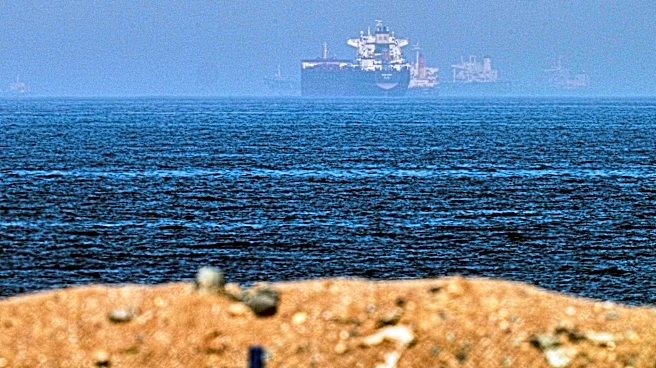
OPEC+ is scheduled to meet again on June 7, where further discussions on production levels and market strategies are expected. The UAE's independent production plans could lead to increased competition and potential price wars, particularly if the Strait of Hormuz reopens, allowing for greater export capacity. Stakeholders will be closely monitoring the situation for any shifts in market dynamics and potential impacts on global oil prices.