







What's Happening?
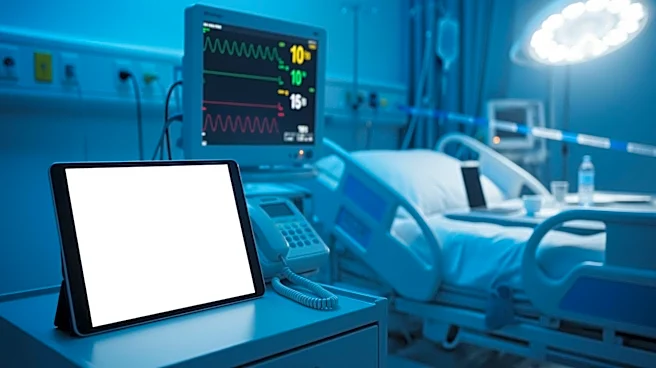
A lawsuit has been filed against Bridgeport Hospital Milford Campus following the death of Conor Hylton, a 26-year-old dental student, in the ICU. The lawsuit alleges that Hylton was overseen by a remote 'tele-health' physician who pronounced him dead
via video call, without a physical doctor present. Hylton was admitted for pancreatitis and other conditions, and his condition worsened without on-site medical assessment. The hospital defends its use of tele-health professionals, claiming it enhances patient care through virtual monitoring and collaboration with bedside teams.
Why It's Important?
The case raises critical questions about the reliance on tele-health services in critical care settings. It highlights potential gaps in patient safety and communication when remote monitoring replaces physical presence. The lawsuit could influence hospital policies and the broader healthcare industry's approach to tele-health, especially in intensive care units. Families and patients may become more cautious about tele-health practices, demanding more transparency and accountability. The outcome of the lawsuit could set precedents for how tele-health is integrated into hospital care, impacting healthcare providers and patients nationwide.
What's Next?
The lawsuit will proceed through the legal system, potentially leading to changes in hospital protocols and tele-health regulations. Bridgeport Hospital may face scrutiny from healthcare authorities and public opinion, prompting reviews of its tele-health practices. Other hospitals might reassess their use of remote monitoring to ensure compliance with safety standards. The case could spark broader discussions on the balance between technological advancements and patient care quality. Stakeholders, including healthcare professionals and policymakers, may advocate for clearer guidelines and oversight of tele-health services.