






What's Happening?
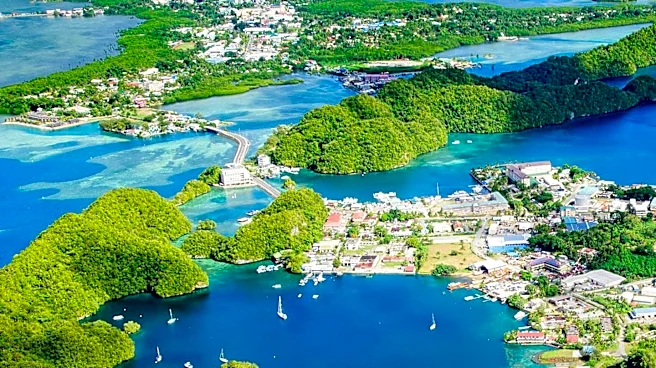
The Asian Development Bank (ADB), with support from the Asian Development Fund and the governments of Ireland and Japan, is actively assisting Palau in its recovery from the socio-economic impacts of the COVID-19 pandemic. The pandemic severely affected
Palau's tourism-dependent economy, leading to significant job losses and exacerbating challenges for vulnerable populations. ADB's initiatives focus on improving health, strengthening livelihoods, and protecting at-risk individuals. Specific programs include home-based music therapy and wellness activities for older people to enhance physical and mental well-being, and support for women farmers to expand taro production and access new markets. Additionally, the project addresses gender-based violence by establishing an integrated support system, including a 24-hour hotline, crisis counseling, and referrals. These efforts aim to foster self-sufficiency, security, and resilience among vulnerable groups in Palau.
Why It's Important?
This initiative is crucial for Palau, a small island developing state heavily reliant on tourism, which faced a near-total collapse of its economy during the pandemic. The ADB's targeted support addresses critical social and economic vulnerabilities that were deepened by the crisis, such as limited family support for the elderly and disabled, and reduced income for farmers. By focusing on health, livelihoods, and social protection, the program helps prevent long-term societal damage and promotes sustainable recovery. The emphasis on women's cooperatives in agriculture not only boosts food security but also empowers women economically. Furthermore, tackling gender-based violence is vital for social stability and human rights. This comprehensive approach serves as a model for how international development banks can assist vulnerable nations in building resilience against future shocks, highlighting the interconnectedness of health, economic stability, and social well-being in post-crisis recovery.
What's Next?
The ADB's ongoing support is expected to continue strengthening Palau's human capital and socio-economic resilience. The programs are designed to create lasting impacts, such as improved health outcomes for older citizens, enhanced agricultural productivity and market access for women farmers, and a more robust support system for survivors of gender-based violence. The success of these initiatives could serve as a blueprint for similar interventions in other small island developing states facing comparable challenges. Continued monitoring and evaluation will be essential to assess the long-term effectiveness and sustainability of these programs. Future steps may involve expanding successful components, fostering greater community ownership, and exploring additional partnerships to address emerging needs or unforeseen challenges in Palau's recovery journey. The focus will remain on ensuring that vulnerable populations are better equipped to withstand future economic and health crises.
Beyond the Headlines
The ADB's engagement in Palau underscores the broader global challenge of supporting vulnerable nations in the face of interconnected crises like pandemics and climate change. Beyond immediate recovery, this effort highlights the importance of investing in social infrastructure and human development as foundational elements of national resilience. The project's multi-faceted approach, addressing health, economic, and social issues simultaneously, reflects a growing understanding that sustainable development requires holistic solutions. It also brings to light the critical role of international cooperation and partnerships, with contributions from Ireland and Japan amplifying the ADB's impact. The long-term implications extend to fostering greater self-reliance and reducing dependency on external aid, ultimately contributing to regional stability and equitable development in the Pacific. This case also implicitly raises questions about how global financial institutions can adapt their strategies to better serve the unique needs of small, vulnerable economies in an increasingly volatile world.