





What's Happening?
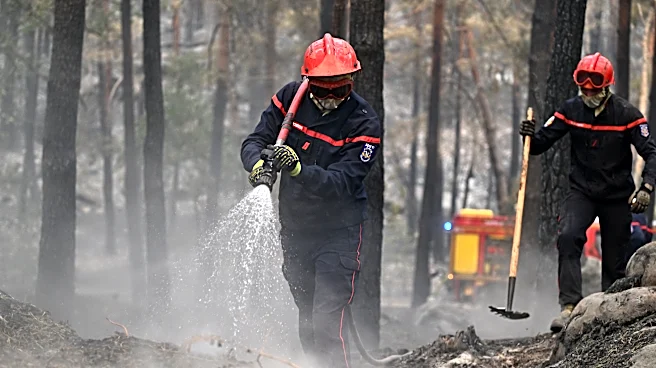
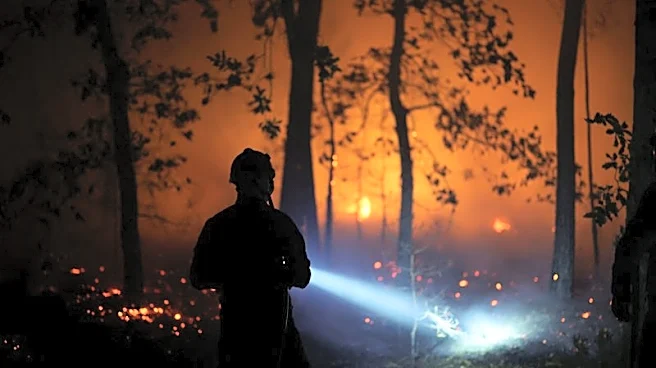
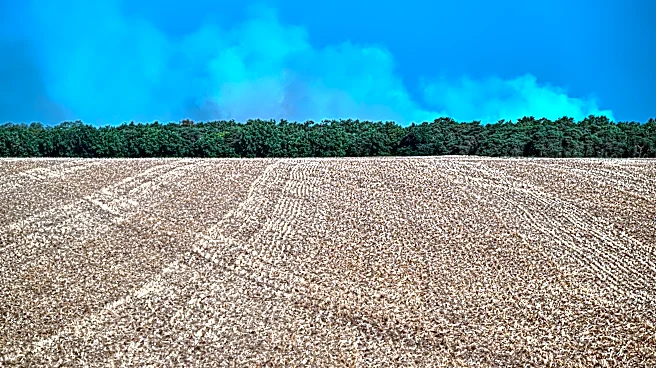
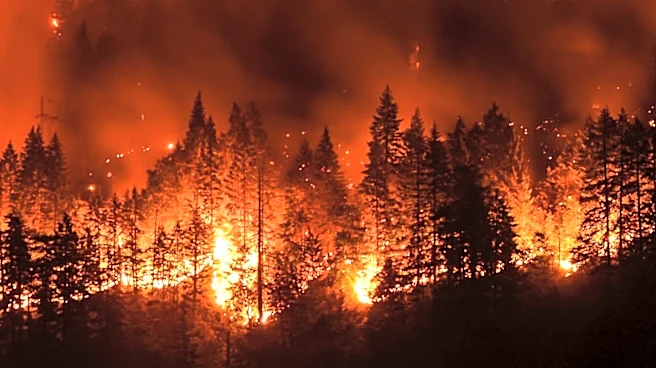
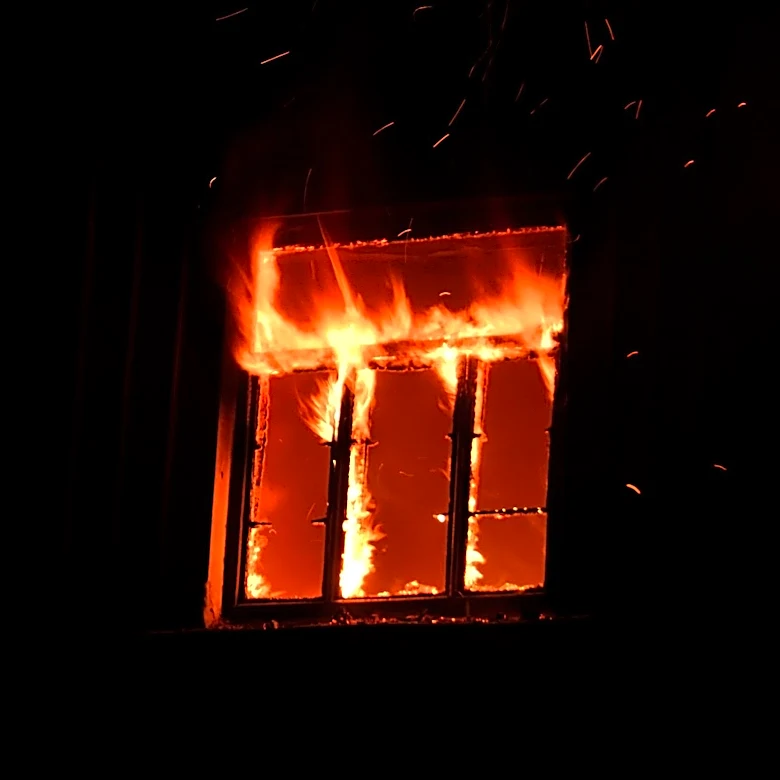
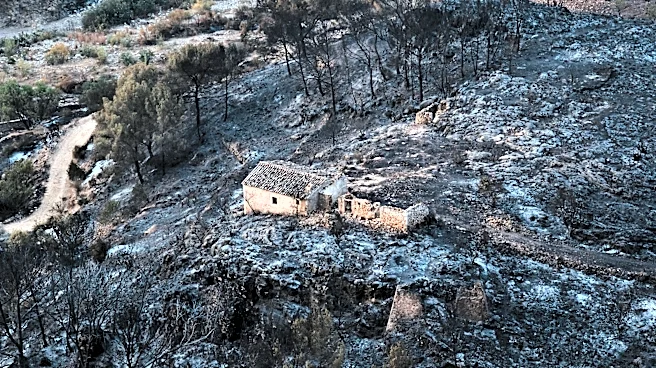
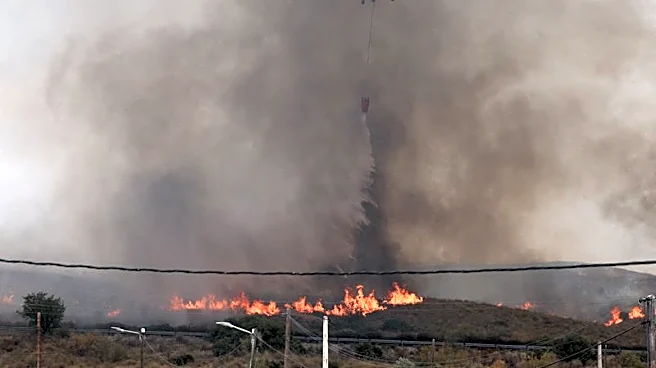
Wildfires are currently affecting several regions in Europe, driven by extreme heatwaves. In France, a significant wildfire has erupted in the Fontainebleau forest, located south of Paris. This fire has led to the evacuation of residential neighborhoods
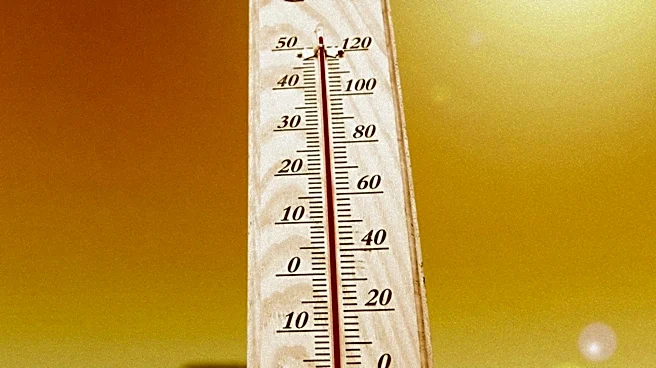
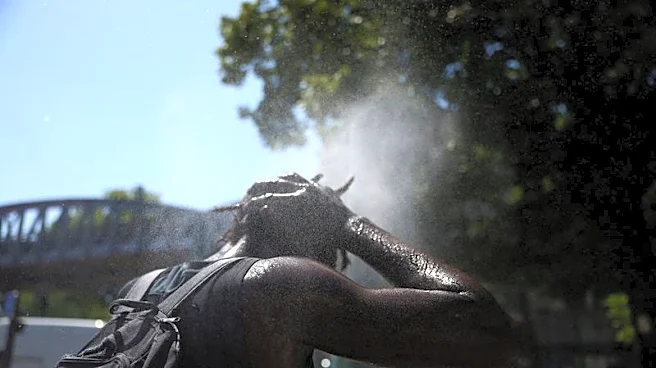
and has disrupted both train and highway traffic. The French government has deployed water-bombing planes and hundreds of firefighters to combat the blaze. Meanwhile, in Spain, a deadly wildfire in Almeria has resulted in 13 fatalities, including a 93-year-old British woman. The fire has affected a large area of forest and farmland, and efforts to contain it are ongoing. The UK is also experiencing wildfires across various regions, exacerbated by high temperatures and low rainfall. The Met Office has reported record heatwaves, making 2026 the first year to record temperatures of 35°C or higher on six separate days.
Why It's Important?
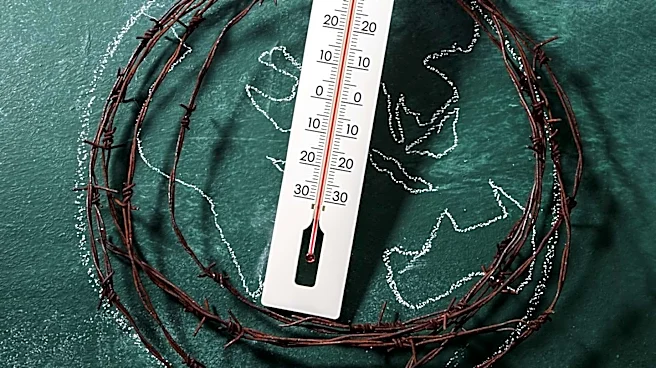
These wildfires highlight the increasing frequency and intensity of fire seasons, which are exacerbated by climate change. The situation in Europe serves as a stark reminder of the potential consequences of global warming, with rising temperatures creating ideal conditions for wildfires. The impact is significant, affecting not only the environment but also human lives and infrastructure. The evacuations and disruptions in France, Spain, and the UK underscore the urgent need for effective climate policies and disaster preparedness. The economic implications are also considerable, as firefighting efforts and infrastructure repairs require substantial resources. Additionally, the tourism industry, particularly in regions like Fontainebleau, may suffer due to the ongoing fires.
What's Next?
In response to the wildfires, European governments are likely to intensify their firefighting efforts and may consider implementing stricter climate policies to mitigate future risks. The French government is investigating the possibility of arson in the Fontainebleau fire, which could lead to legal actions if confirmed. In Spain, Prime Minister Pedro Sánchez is expected to visit the affected areas, which may result in additional support and resources for recovery efforts. The ongoing heatwave and dry conditions suggest that the risk of further wildfires remains high, necessitating continued vigilance and preparedness from authorities and communities.
Beyond the Headlines
The current situation in Europe could have long-term implications for climate policy and public awareness. The increasing frequency of extreme weather events may prompt governments to accelerate their commitments to reducing carbon emissions and investing in renewable energy. Public perception of climate change could also shift, leading to greater support for environmental initiatives. Additionally, the wildfires may influence urban planning and land management practices, as regions seek to reduce their vulnerability to such disasters. The cultural and historical significance of areas like the Fontainebleau forest adds another layer of complexity, as efforts to preserve these sites must balance environmental and heritage considerations.