





What's Happening?
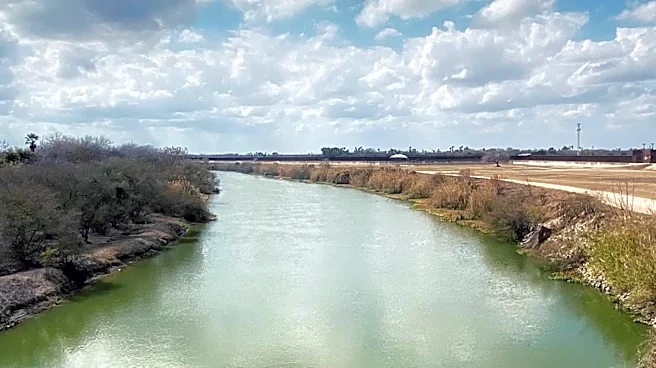
Farmers in California are increasingly adopting solar power as a response to stringent water restrictions. The state's Sustainable Groundwater Management Act, aimed at addressing overpumping and its consequences, is leading to significant reductions in water allocations
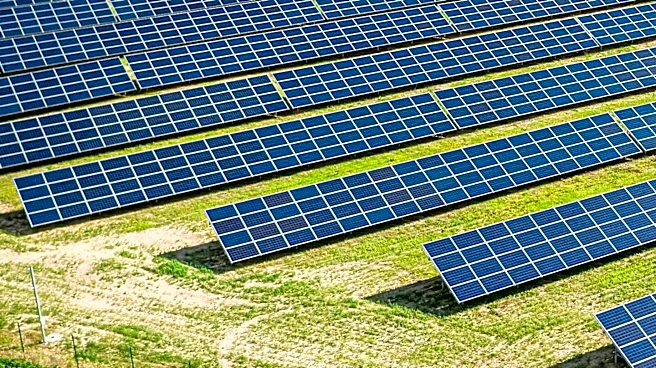
for farmers. As a result, many are turning to solar projects to utilize their land more effectively. The Buttonbush solar project, approved in Kern County, involves land from about 18 farmers and is part of a broader trend of large solar fields emerging in water-stressed regions, particularly in the San Joaquin Valley.
Why It's Important?
The shift towards solar power represents a significant adaptation strategy for farmers facing water scarcity. By investing in solar projects, farmers can generate alternative revenue streams while contributing to renewable energy goals. This transition is crucial for the sustainability of agricultural practices in regions affected by climate change and regulatory constraints. The move also highlights the broader economic and environmental implications of water management policies, as farmers seek innovative solutions to maintain their livelihoods amidst changing conditions.
What's Next?
As water restrictions continue to tighten, more farmers may explore solar energy as a viable option. The success of projects like Buttonbush could encourage further investments in renewable energy within the agricultural sector. Policymakers and stakeholders will need to monitor the impact of these transitions on local economies and ecosystems. Additionally, there may be opportunities for collaboration between the agricultural and energy sectors to develop integrated solutions that address both water and energy challenges.