






What's Happening?
Thailand is adjusting its oil import strategy by exploring options with Oman and other Gulf producers, as U.S. sanctions and the maritime blockade against Iran impact global oil flows. Although Thailand does not import Iranian oil, the geopolitical tensions
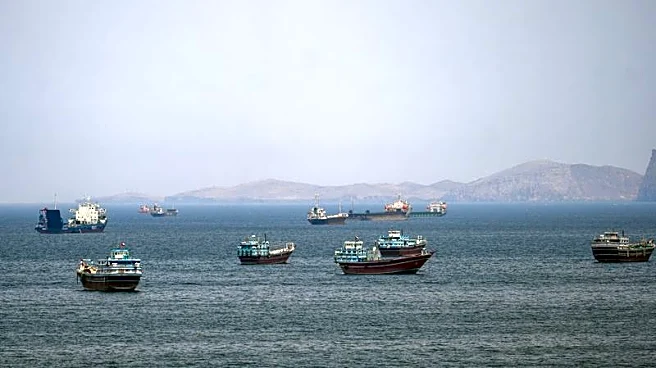
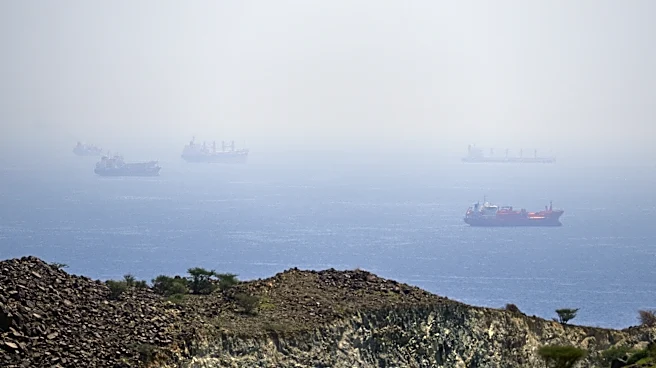
have affected its economy, which heavily relies on Middle Eastern oil. The U.S.-Iran conflict has led to a significant reduction in traffic through the Strait of Hormuz, a critical route for global oil transport, causing a spike in oil prices. This has strained Thailand's economy, with potential GDP growth reductions and increased fiscal pressure due to rising energy costs. The situation has also tested Thailand's relationship with the U.S., as the country navigates the economic fallout of U.S. Middle East policies.
Why It's Important?
Thailand's situation highlights the broader economic implications of geopolitical conflicts and sanctions, particularly for countries dependent on imported energy. The disruption in oil supply routes and the resulting price increases can have significant macroeconomic impacts, affecting GDP growth and fiscal stability. For the U.S., this scenario underscores the need to consider the economic costs imposed on allies by its foreign policy strategies. The situation also reflects the shifting dynamics in international alliances, as countries like Thailand may seek to diversify their energy sources and alignments to mitigate risks associated with geopolitical tensions.
What's Next?
Thailand may continue to seek alternative energy suppliers to reduce its vulnerability to Middle Eastern oil disruptions. The U.S. will need to address the economic concerns of its allies to maintain strong international partnerships. A resolution to the U.S.-Iran conflict and a stable post-war framework could help restore predictable oil flows and stabilize prices, benefiting import-dependent economies like Thailand. The ongoing situation may also prompt broader discussions on energy security and the need for diversified energy strategies in the face of geopolitical uncertainties.