

What's Happening?
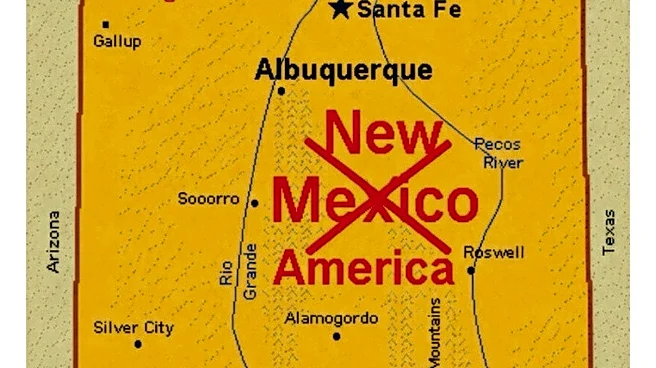
New Mexico’s congressional delegation, including U.S. Sens. Ben Ray Luján and Martin Heinrich, and U.S. Reps. Teresa Leger Fernández, Melanie Stansbury, and Gabe Vasquez, has formally requested the U.S. Department of Justice (DOJ) Inspector General to expand
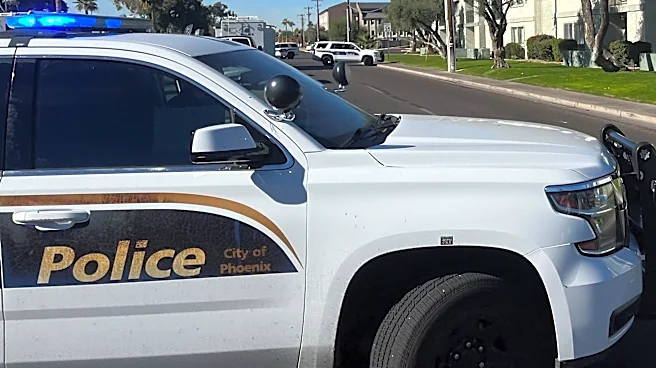
its investigation into federal fentanyl enforcement practices. The request specifically asks for an examination of Drug Enforcement Administration (DEA) practices dating back to before 2024, with a particular focus on New Mexico. This action follows whistleblower allegations that DEA agents allowed significant quantities of fentanyl to reach communities in the state. The lawmakers cited a specific allegation where DEA agents reportedly monitored a trafficker delivering fentanyl from Phoenix to Albuquerque in 2022 and 2023, raising concerns that the practice of allowing fentanyl shipments to 'walk' might extend further back than the current review's scope.
Why It's Important?
This call for an expanded investigation is critical due to the severe public health implications of fentanyl trafficking in New Mexico. The delegation highlighted that while national overdose deaths declined in 2025, New Mexico experienced a 21% increase, suggesting a potential link to the alleged DEA practices. If confirmed, the allegations that DEA agents allowed fentanyl shipments to proceed could indicate a significant failure in federal drug enforcement strategy, potentially contributing to the opioid crisis in the state. The investigation's findings could lead to substantial reforms in DEA protocols, accountability measures for agents, and a re-evaluation of how federal agencies combat drug trafficking. This issue directly impacts public safety, healthcare resources, and the overall well-being of communities in New Mexico, making the integrity and effectiveness of federal law enforcement paramount.
What's Next?
The DOJ Inspector General will now consider the New Mexico congressional delegation's request to broaden the scope of its ongoing review into federal fentanyl investigations. If the Inspector General agrees, the investigation will delve deeper into DEA practices, potentially uncovering more instances of fentanyl shipments being allowed to 'walk' and examining the decision-making processes behind such actions. The delegation has also asked for an assessment of whether these DEA decisions contributed to the increase in overdose deaths in New Mexico. The outcome of this expanded investigation could lead to policy changes within the DEA, potential disciplinary actions, and increased scrutiny of federal drug enforcement strategies. Furthermore, it could inform future legislative efforts to strengthen drug interdiction and prevention measures, particularly in states disproportionately affected by the fentanyl crisis.
Beyond the Headlines
The allegations against the DEA and the congressional delegation's response highlight a complex ethical and operational dilemma within law enforcement: the balance between intelligence gathering and immediate interdiction. The practice of allowing drugs to 'walk' is sometimes employed to identify larger trafficking networks, but it carries the inherent risk of increasing the immediate supply of dangerous substances in communities. This situation raises profound questions about the criteria for such tactical decisions, the oversight mechanisms in place, and the potential human cost when these strategies go awry. The investigation could expose systemic issues within federal drug enforcement, prompting a re-evaluation of how agencies weigh the long-term benefits of intelligence against the immediate harm to public health, particularly in the context of highly lethal substances like fentanyl. The public's trust in law enforcement's ability to protect communities from drug threats is also at stake.