

What's Happening?
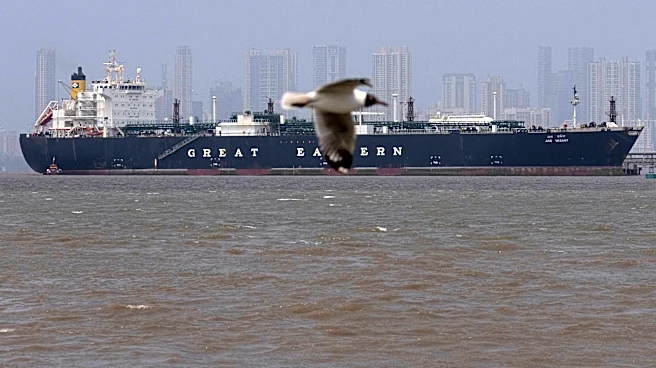
A Kuwaiti oil tanker, the Al Salmi, was struck by an Iranian drone off the coast of Dubai, resulting in a fire on the vessel. The tanker, which was fully loaded, sustained damage to its hull, but all 24 crew members were safely rescued, and no oil spills
were reported. The incident occurs amid fluctuating oil prices and the closure of the Strait of Hormuz. The price of Brent crude recently reached $116 a barrel following President Trump's comments about potentially taking control of Iran's oil, similar to past actions in Venezuela. Trump is also considering a ground invasion of Kharg Island, a key Iranian oil export hub, which could provoke retaliatory strikes from Iran.
Why It's Important?
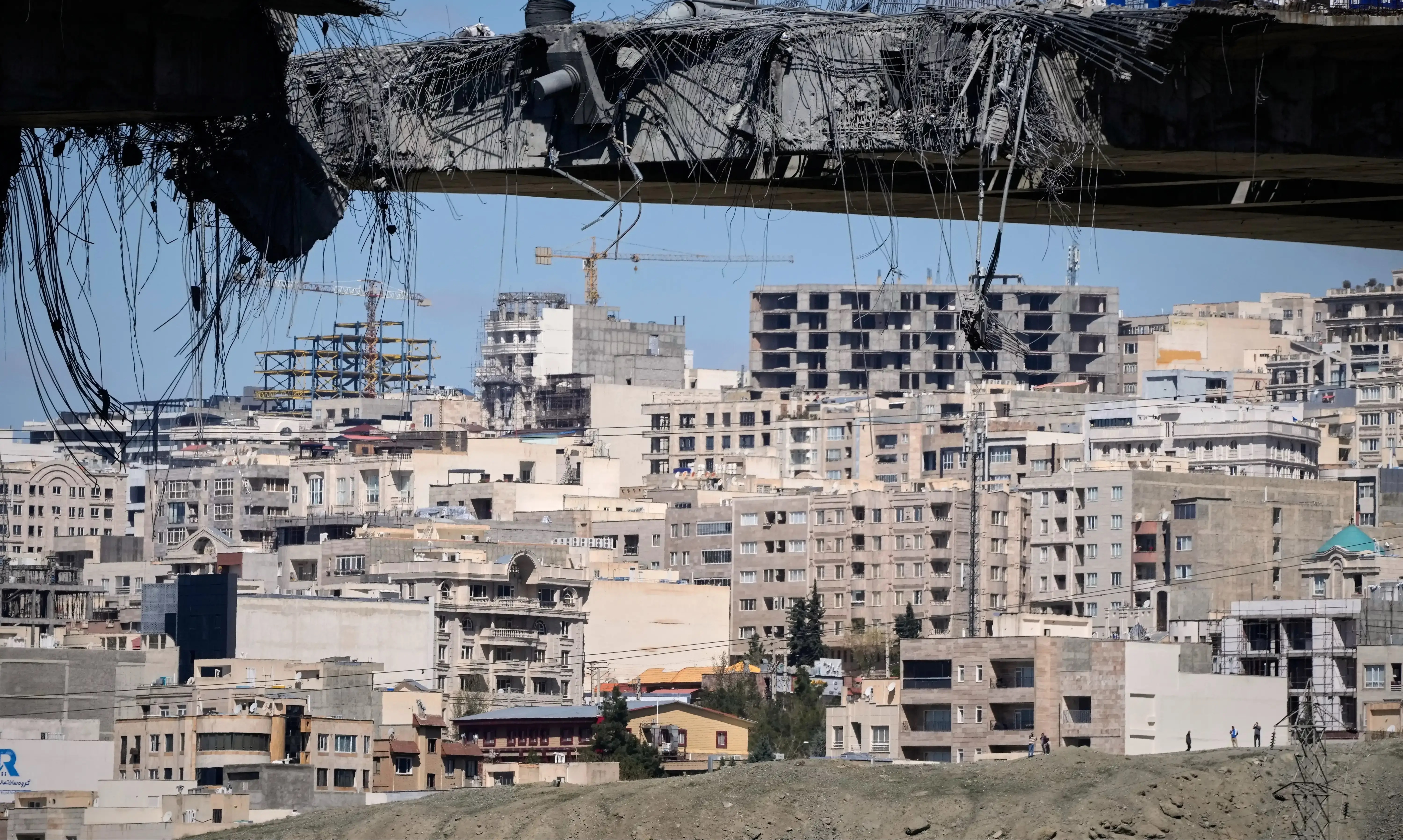
The attack on the Kuwaiti tanker highlights the escalating tensions in the Gulf region, which could have significant implications for global oil markets and geopolitical stability. The closure of the Strait of Hormuz, a critical chokepoint for global oil shipments, and the potential for further military actions by the U.S. could lead to increased volatility in oil prices. This situation poses risks to international energy security and could strain U.S. relations with its allies, who have expressed concerns about the potential for a broader conflict. The incident underscores the fragile nature of Middle Eastern geopolitics and the potential for regional conflicts to impact global economic conditions.
What's Next?
As tensions continue to rise, the international community will be closely monitoring the situation for any further military escalations or diplomatic efforts to de-escalate the conflict. President Trump's consideration of a ground invasion of Kharg Island and the potential for retaliatory strikes by Iran could lead to increased military engagement in the region. Additionally, the U.S. and its allies may need to reassess their strategic positions and alliances in response to the evolving situation. The outcome of any negotiations or military actions will likely have significant implications for regional stability and global energy markets.