






What's Happening?
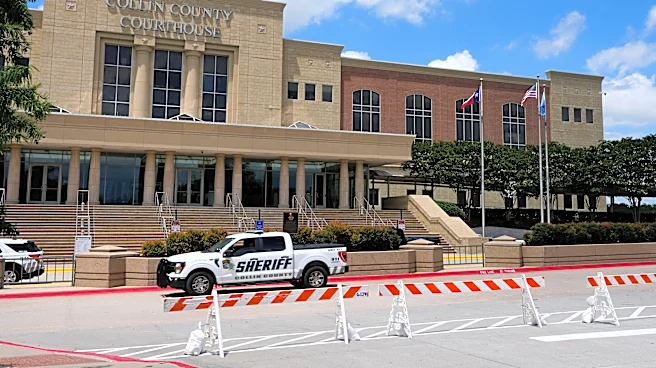
The cases of Karmelo Anthony and Kyle Rittenhouse have become focal points in the debate over self-defense laws in the United States. Karmelo Anthony, a Black teenager, was sentenced to 35 years in a Texas prison for the murder of Austin Metcalf, a white
17-year-old, during an altercation at a track meet. His defense argued that the act was a moment of fear-induced passion, not premeditated violence. In contrast, Kyle Rittenhouse, a white teenager, was acquitted after shooting three men, two fatally, during a Black Lives Matter protest in Wisconsin. Rittenhouse's defense successfully argued self-defense, claiming he was under threat. The cases have sparked discussions about racial double standards and the interpretation of self-defense laws, with each case being viewed through the lens of political and racial biases.
Why It's Important?
These cases underscore the complexities and perceived inconsistencies in the application of self-defense laws across different states and contexts. The contrasting outcomes have fueled debates about racial bias in the legal system, as Anthony's case is seen by some as an example of a racial double standard. The political and social implications are significant, as they reflect broader societal divisions over issues of race, gun rights, and justice. The cases have become symbols in the ongoing discourse about how self-defense is interpreted and applied, potentially influencing future legal proceedings and public policy.
What's Next?
The outcomes of these cases may lead to calls for legal reforms and a reevaluation of self-defense laws to ensure they are applied equitably. Advocacy groups and legal experts might push for changes that address perceived racial biases and inconsistencies in the justice system. Public discourse is likely to continue, with potential impacts on upcoming elections and legislative agendas, as these cases resonate with broader societal issues of race and justice.
Beyond the Headlines
The cases of Anthony and Rittenhouse highlight the intersection of race, politics, and law in America. They reveal how public perception and media narratives can shape the understanding of legal cases, often overshadowing the nuanced details of each situation. The political and racial dimensions of these cases may influence public trust in the legal system and highlight the need for greater transparency and fairness in judicial proceedings.