







What's Happening?
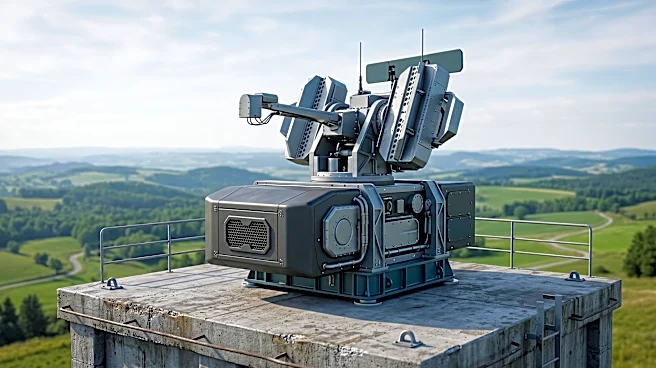
Weibel Scientific has secured an €84 million contract with PIT-RADWAR to supply its XENTA-M5 radar systems for Poland's SAN Counter-UAS (C-UAS) program. This selection marks a significant milestone for Weibel's defense business and integrates its radar technology
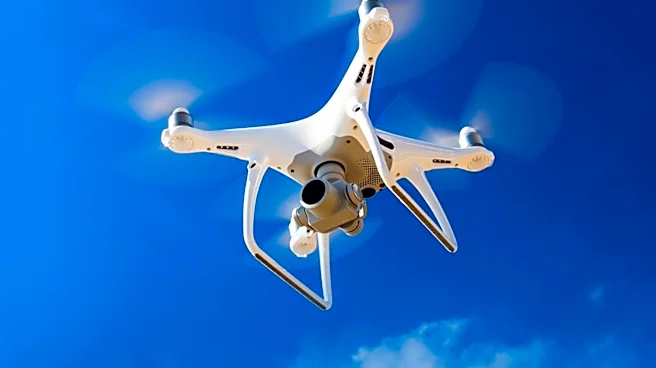
into Poland's efforts to build robust C-UAS capabilities on Europe's eastern flank. The SAN program aims to create an integrated C-UAS architecture within Poland's national air defense, combining sensors, command-and-control systems, and effectors. The XENTA-M5 radar is designed to detect, track, and classify a wide range of airborne threats, from small, low-flying drones to larger aircraft. Its role is to provide continuously updated air pictures, supplying critical sensor data to the command-and-control architecture, thereby giving operators more time and information to assess threats and determine appropriate responses. This initiative reflects Europe's accelerating build-up of C-UAS capabilities and a move towards operational readiness against drone threats.
Why It's Important?
The integration of Weibel's XENTA-M5 radar into Poland's SAN program is crucial for enhancing NATO's collective defense posture on its eastern flank, a region facing increased security concerns. The proliferation of drone technology presents significant challenges to traditional air defense systems, and Poland's investment in advanced C-UAS capabilities directly addresses this evolving threat landscape. For the U.S. and its NATO allies, a strengthened Polish air defense system contributes to overall regional stability and deterrence. This development signifies a broader trend within NATO to modernize and adapt to contemporary threats, ensuring that member states can effectively counter hybrid warfare tactics. The contract also highlights the growing demand for specialized defense technologies, fostering innovation and collaboration within the transatlantic defense industry.
What's Next?
Weibel Scientific will proceed with the delivery of XENTA-M5 radar systems to Poland, fulfilling the €84 million contract. This will involve scaling up industrial capacity, production, and delivery processes to meet the demands of this major European defense program. Poland will continue to integrate these advanced radar systems into its SAN C-UAS architecture, working to achieve full operational capability. This integration will likely involve extensive testing, training, and coordination with existing air defense assets. The success of Poland's C-UAS program could serve as a model for other NATO member states looking to enhance their defenses against drone threats, potentially leading to further adoption of similar technologies across the alliance. Ongoing geopolitical developments on Europe's eastern flank will continue to drive the urgency and scope of these defense modernization efforts.
Beyond the Headlines
This development underscores a fundamental shift in modern warfare, where unmanned aerial systems have become a pervasive and complex threat. The investment in sophisticated C-UAS technology like the XENTA-M5 radar reflects a proactive approach to counter these challenges, moving beyond reactive measures to establish comprehensive defensive layers. The emphasis on early detection, tracking, and classification provided by such radar systems is critical for effective threat mitigation, minimizing potential damage and casualties. Furthermore, this contract signifies the increasing importance of specialized technological solutions in national defense strategies, driving innovation in the defense sector. The broader implication is a continuous arms race in the drone and counter-drone domain, pushing technological boundaries and requiring constant adaptation from defense planners and industry alike.