

What's Happening?
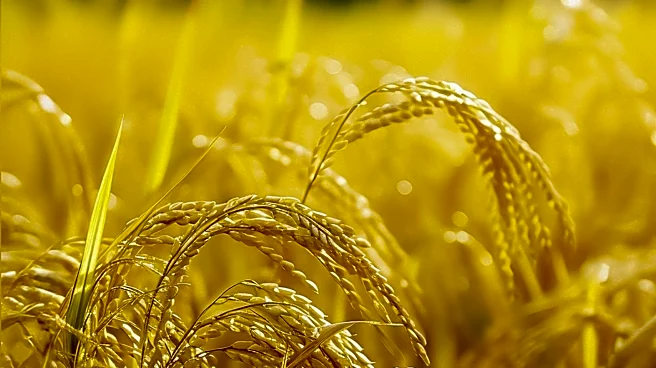
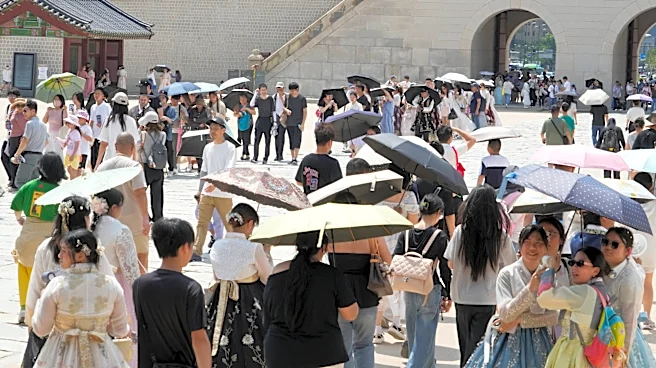
Tokyo is experiencing a severe heatwave that poses a significant threat to the rice crop, particularly during the critical flowering stage. The year 2024 was recorded as the hottest year, with temperatures exceeding 1.5°C above pre-industrial levels.
This extreme weather pattern is becoming more frequent, challenging global agriculture and threatening major crop yields. In Japan, popular rice cultivars have shown increased sterility when the flowering stage coincides with heat stress. The heat stress leads to sterility due to abnormal anther dehiscence and reduced pollen grain release, severely reducing crop yields. The need for effective heat adaptation strategies is emphasized to safeguard food security for the growing global population.
Why It's Important?
The impact of the heatwave on rice crops is significant as rice is a staple food for over half the global population. With the rapid population increase in Asian and African countries, rice demand is projected to increase by 12% by 2033. The heatwave in Tokyo highlights the urgent need for adaptation strategies to mitigate the effects of climate change on agriculture. Failure to address these challenges could lead to food shortages and increased prices, affecting millions of people worldwide. The situation underscores the importance of developing resilient agricultural practices to ensure food security in the face of climate change.
What's Next?
To address the challenges posed by heat stress, researchers are exploring genetic improvements in rice to enhance heat tolerance. Strategies such as shifting the flower opening time to cooler parts of the day are being considered to increase seed setting rates under heat stress. These adaptations could play a crucial role in maintaining rice yields and ensuring food security. Additionally, international cooperation and investment in agricultural research are essential to develop and implement effective solutions to combat the adverse effects of climate change on global food production.
Beyond the Headlines
The heatwave in Tokyo is a stark reminder of the broader implications of climate change on agriculture and food security. It highlights the need for a comprehensive approach to address the environmental, economic, and social dimensions of climate change. The development of heat-resistant crop varieties and sustainable farming practices is crucial to building resilience against future climate-related challenges. Moreover, the situation calls for increased awareness and action at both the policy and grassroots levels to promote sustainable agricultural practices and ensure a stable food supply for future generations.