








What's Happening?
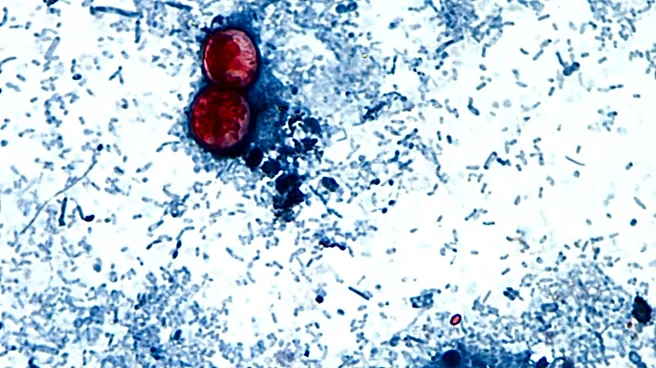
Cyclosporiasis, an illness causing severe diarrhea, is affecting individuals in 31 states across the U.S. The Centers for Disease Control and Prevention (CDC) reports that the exact number of cases is likely underestimated due to less robust surveillance
and underreporting. The illness is caused by the Cyclospora cayetanensis parasite, historically found on fresh fruits, vegetables, and herbs, particularly during summer. Dr. Michael Cappello from Yale School of Public Health explains that the parasite is typically ingested through contaminated produce, often linked to human sewage. While the current outbreak's source is unknown, past outbreaks have been associated with raspberries, basil, parsley, and leafy greens. Experts emphasize the importance of thoroughly washing produce to reduce the risk of infection.
Why It's Important?
The outbreak highlights significant public health concerns regarding food safety and the effectiveness of current surveillance systems. The spread of cyclosporiasis underscores the need for stringent food safety practices and robust public health infrastructure to prevent and manage such outbreaks. The illness can lead to severe symptoms, impacting public health and potentially straining healthcare resources. The situation also raises awareness about the importance of maintaining hygiene standards in food production and distribution, which is crucial for consumer safety and confidence in the food supply chain.
What's Next?
Public health officials and food safety experts are likely to increase efforts to identify the source of the current outbreak and prevent further cases. This may involve enhanced surveillance, improved communication with the public about food safety practices, and potential regulatory actions to ensure compliance with hygiene standards in food production. Consumers are advised to continue practicing good hygiene by washing produce thoroughly and staying informed about updates from health authorities.
Beyond the Headlines
The outbreak may prompt discussions on the adequacy of current food safety regulations and the need for investment in public health infrastructure. It also highlights the interconnectedness of global food supply chains, as produce from various regions can contribute to widespread health issues. The situation could lead to increased advocacy for stronger regulatory frameworks and better funding for public health agencies to enhance their capacity to respond to such outbreaks effectively.