




What's Happening?
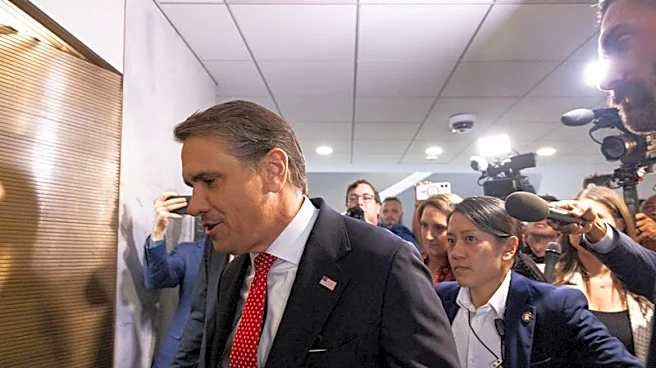
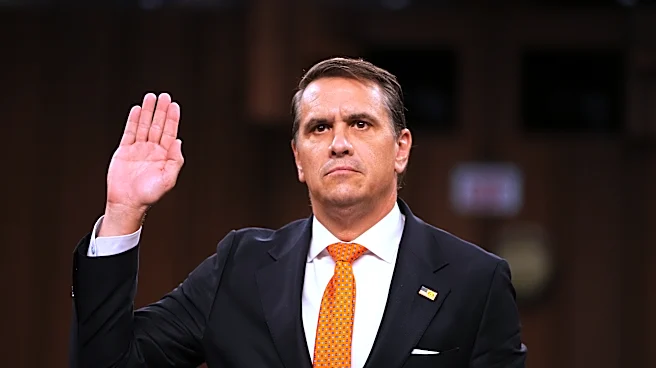
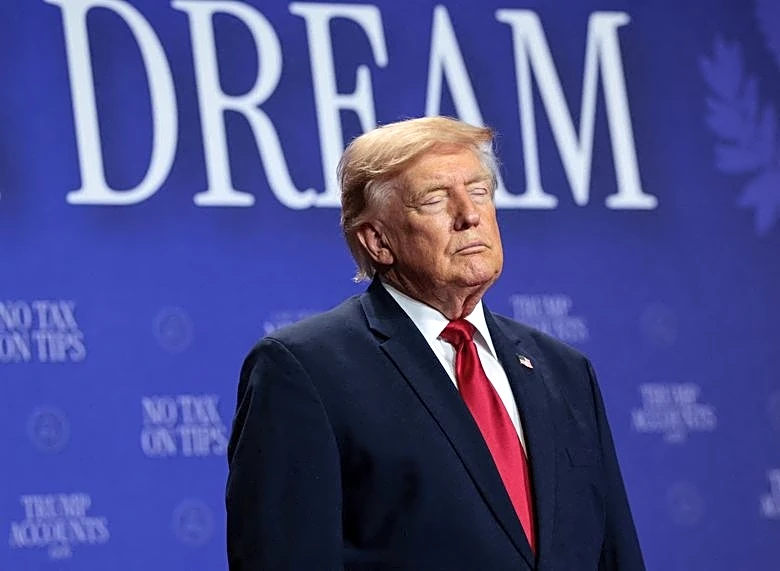
Senate Republicans have successfully maintained a deal granting President Trump immunity from IRS investigations, despite controversy surrounding a proposed $1.8 billion fund. This fund was intended for individuals claiming malicious prosecution by the
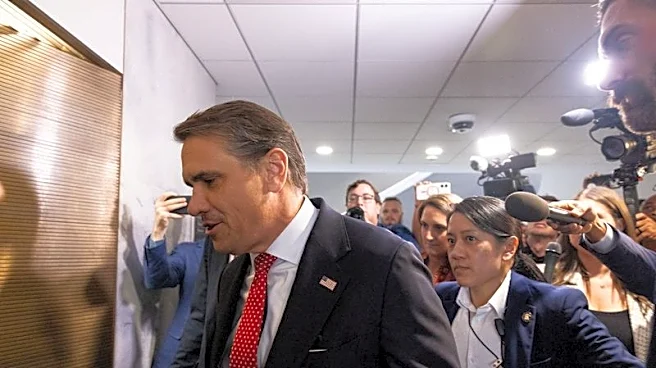
Department of Justice, including January 6 rioters. The immunity deal has received less media attention compared to the fund, which was blocked by Senate Republicans until Todd Blanche, President Trump's former personal lawyer, provided assurances that the fund would not proceed. This development is part of broader allegations of corruption during President Trump's tenure, where he is accused of using his position to benefit personally and politically.
Why It's Important?
The immunity deal for President Trump has significant implications for U.S. politics and public trust in government institutions. It highlights ongoing concerns about accountability and transparency in political leadership. Critics argue that such immunity undermines the integrity of the IRS and sets a precedent for political figures to evade scrutiny. This situation also reflects broader issues of perceived corruption and the challenges faced by opposition parties in holding leaders accountable. The controversy may influence public perception of political ethics and could impact future legislative and electoral dynamics.
What's Next?
The continuation of President Trump's IRS immunity deal may lead to increased scrutiny from political opponents and watchdog organizations. It is likely to fuel ongoing debates about the need for reforms in political accountability and the role of oversight bodies. As the situation unfolds, there may be calls for legislative action to address perceived loopholes in political immunity and to strengthen mechanisms for holding public officials accountable. The response from the Democratic Party and civil society groups will be crucial in shaping the narrative and potential policy changes.