



What's Happening?
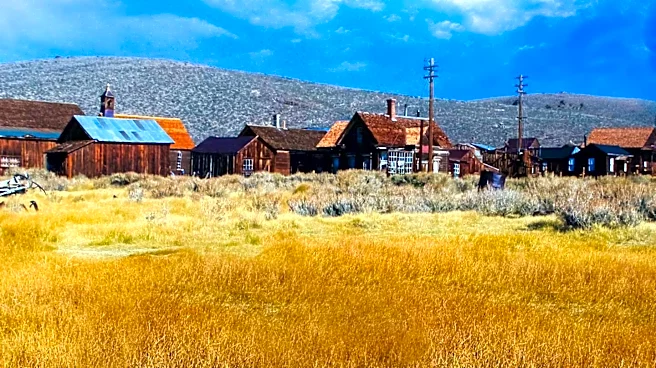
The town of McCarthy, Alaska, experienced a dramatic decline following the closure of the Kennecott copper mine in 1938. Once a bustling mining hub, McCarthy saw its population dwindle from 637 residents in 1930 to just 77 by 1940. The closure was due
to the depletion of rich ore bodies, despite strong copper prices. The town's decline was marked by the cessation of the Copper River and Northwestern Railway and a devastating fire in 1940 that destroyed much of the remaining infrastructure. The federal government considered designating the area as a national park, but the town never regained its former prosperity.
Why It's Important?
McCarthy's story is a poignant example of the boom-and-bust cycle that characterizes many resource-dependent communities. The town's decline highlights the economic vulnerabilities associated with reliance on a single industry, particularly in remote areas. The historical narrative of McCarthy serves as a cautionary tale for modern communities facing similar economic challenges. It underscores the importance of economic diversification and sustainable development to mitigate the impacts of industry downturns. Additionally, McCarthy's history contributes to the cultural and historical fabric of Alaska, offering insights into the state's mining heritage and the resilience of its communities.
Beyond the Headlines
The transformation of McCarthy from a thriving town to a near ghost town raises broader questions about the sustainability of resource extraction industries and their long-term impacts on local communities. The potential designation of the area as a national park reflects a shift towards conservation and tourism as alternative economic drivers. This transition also highlights the role of government intervention in preserving historical sites and promoting environmental stewardship. McCarthy's story is a reminder of the need to balance economic development with environmental and cultural preservation.