





What's Happening?
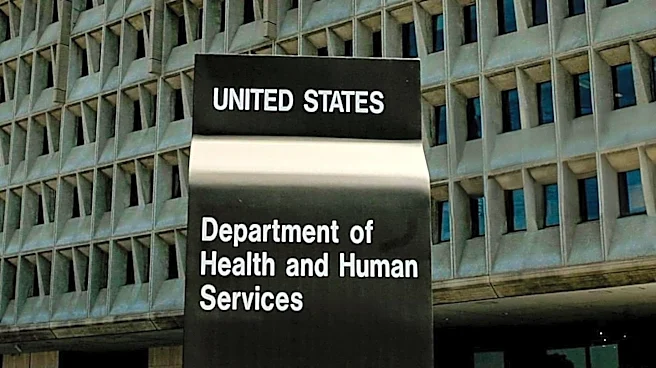
On October 28, 2026, the U.S. Department of Health and Human Services (HHS) published an interim Enforcement Discretion Policy regarding 503A Compounding Using Certain Peptide Bulk Drug Substances. Signed by HHS Secretary Robert F. Kennedy Jr., this policy
outlines conditions under which HHS will not take enforcement action against state-licensed pharmacies, federal facilities, and licensed physicians who compound drug products using six specific peptide bulk drug substances. This interim measure is in effect while the official list of bulk drug substances for compounding under Section 503A of the Federal Food, Drug, and Cosmetic Act (FDCA) is being developed through rulemaking. The policy aims to discourage the use of 'research use only' peptides from foreign manufacturers, offering a more controlled alternative for U.S. patients. Notably, this policy was issued by the HHS Office of the Secretary, rather than the FDA, despite FDA scientific reviewers having previously recommended against listing these peptides.
Why It's Important?
This interim policy by HHS has significant implications for pharmaceutical compounding and patient access to certain peptide-based therapies. By providing a pathway for compounding these six peptides, HHS is attempting to address a gap in patient access and safety concerns related to unregulated foreign sources. This move could benefit patients seeking these specific treatments by offering a more regulated and potentially safer supply. However, the policy's issuance by HHS rather than the FDA, and against FDA scientific recommendations, highlights a potential tension between administrative directives and scientific consensus within the federal health apparatus. This could set a precedent for future policy decisions where the Secretary's office might override agency recommendations, potentially impacting the scientific integrity of drug regulation. For compounding pharmacies, the policy offers temporary relief and clarity, but also imposes strict conditions for compliance, including sourcing from FDA-registered facilities and rigorous testing.
What's Next?
The interim policy is a temporary measure, and its long-term status will depend on the formal rulemaking process for the 503A Bulks List. Written comments on the policy can be submitted through November 13, 2026. Stakeholders, including compounding pharmacies, prescribers, and API suppliers, are advised to monitor forthcoming FDA rulemaking, as this will determine the peptides' formal eligibility for 503A compounding. The policy emphasizes that it creates no formal rights and can be revisited if safety signals or product quality concerns emerge. Compounders must ensure full compliance with all specified conditions, including identity, characterization, original manufacturer registration, reporting of adverse events, and specific labeling requirements. The regulatory environment remains fluid, and the ultimate legal pathway for compounding these peptides will be established through the formal rulemaking process, which is considered more durable than this temporary enforcement discretion.
Beyond the Headlines
The decision by HHS to issue an interim policy for peptide compounding, particularly in divergence from FDA scientific recommendations, raises deeper questions about the balance of power and scientific authority within federal health agencies. It suggests a potential shift towards prioritizing patient access and choice, even when scientific bodies express caution. This could lead to broader debates about the interpretation of scientific evidence in policy-making and the autonomy of regulatory bodies like the FDA. The policy's focus on discouraging 'research use only' peptides from foreign manufacturers also underscores ongoing challenges in regulating the global supply chain of pharmaceutical ingredients and protecting U.S. patients from potentially unsafe products. This development could influence future legislative efforts to clarify the roles and responsibilities of different federal entities in drug regulation and compounding, potentially leading to a more integrated or, conversely, more fragmented regulatory landscape.