






What's Happening?
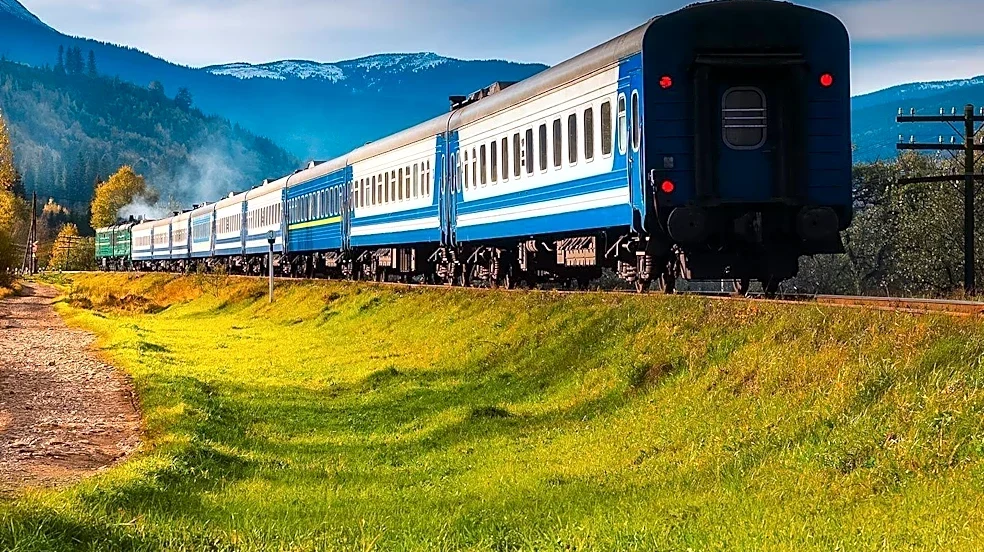
Rail travel in the United States is undergoing a significant resurgence, with more Americans opting for trains over air travel and long-distance driving. This shift is driven by a desire for increased comfort and connectivity, moving away from the stresses
associated with airport security and the fatigue of extensive road trips. Amtrak's national network, which serves over 500 destinations across 46 states, is becoming a key tool for travelers planning journeys. The Amtrak map, available in both static PDF and interactive digital formats, allows passengers to visualize routes, identify efficient travel paths, and discover scenic segments. Key routes like the California Zephyr, traversing the Rocky Mountains and Sierra Nevada, and the Empire Builder, exploring the northern frontier through Glacier National Park, are highlighted as popular choices for their scenic beauty. The Northeast Corridor (NEC) remains the busiest and most frequently traveled rail line in the Western Hemisphere, connecting major metropolitan centers from Boston to Washington, D.C., and offering high-speed services like Acela.
Why It's Important?
The resurgence of rail travel signifies a notable shift in American transportation preferences, impacting various sectors. For the travel industry, it presents an opportunity for growth in rail infrastructure and services, potentially leading to increased investment in train modernization and expansion. This trend also has environmental implications, as rail travel is generally more sustainable than air or individual car travel, contributing to reduced carbon emissions. Economically, increased ridership can boost local economies along train routes, benefiting businesses in cities and towns that serve as stops. Furthermore, the emphasis on comfort and connectivity reflects evolving consumer demands, pushing transportation providers to prioritize passenger experience. The development of interactive mapping tools and real-time tracking features also underscores the growing importance of technology in enhancing travel efficiency and convenience for the public.
What's Next?
The Amtrak map is not static and is projected to evolve significantly through 2035, with planned expansions and new corridors. Federal investments in infrastructure are expected to facilitate these changes, including proposed new routes in Colorado's 'Front Range,' increased service in the 'Texas Triangle' (Dallas, Houston, San Antonio), and the restoration of routes along the Gulf Coast. These expansions aim to make rail travel even more accessible and comprehensive across the nation. Travelers can anticipate continued improvements in digital tools, such as interactive maps with real-time tracking, to enhance trip planning and in-journey experience. Stakeholders, including state governments and local communities, will likely see increased collaboration with Amtrak to support and develop regional rail services, further integrating rail into the broader transportation network. The focus on sustainability and passenger comfort is expected to drive ongoing innovations in train design and onboard amenities.
Beyond the Headlines
The renewed interest in rail travel extends beyond mere transportation, touching upon broader societal and cultural shifts. It reflects a growing appreciation for slower, more contemplative forms of travel, offering a stark contrast to the fast-paced, often stressful nature of air travel. This shift could foster a deeper connection to the American landscape, allowing travelers to experience diverse regions and communities in a more immersive way. The emphasis on connectivity and comfort also speaks to a desire for travel experiences that prioritize well-being and reduce anxiety. Moreover, the integration of 'Thruway Bus' services, extending rail reach to areas without direct train access, highlights a comprehensive approach to national mobility, aiming to bridge geographical gaps and enhance accessibility for a wider population. This trend could also influence urban planning and regional development, as communities along rail lines may experience revitalization and increased tourism.