






What's Happening?
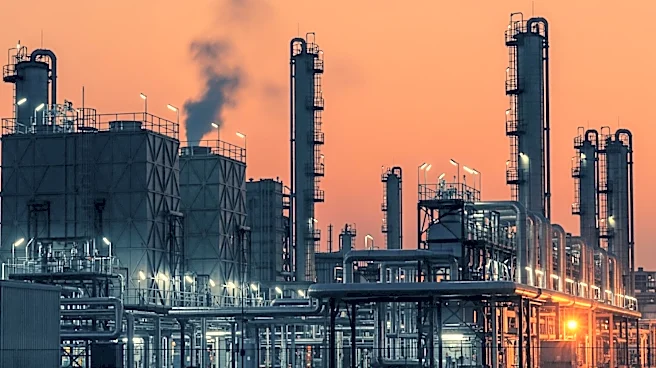
A drone strike led to a fire outside the Barakah Nuclear Power Plant in Abu Dhabi, United Arab Emirates, as reported by local authorities. The fire occurred in an external electrical generator outside the plant's perimeter. Fortunately, there were no
injuries, and the incident did not affect radiological safety levels. The UAE's nuclear regulator confirmed that all units at the plant are operating normally. The Barakah plant, which became operational in 2020, is the first nuclear power facility on the Arabian Peninsula. No group has claimed responsibility for the attack, and the UAE has not attributed the strike to any specific party. The International Atomic Energy Agency has not commented on the incident.
Why It's Important?
The attack on the Barakah Nuclear Power Plant highlights the increasing vulnerability of critical infrastructure in conflict zones. Nuclear facilities have become targets in recent conflicts, raising concerns about potential radiological risks. The incident underscores the ongoing tensions in the Middle East, particularly involving Iran and the United States, which have been at an impasse in diplomatic talks. The region's instability continues to threaten global energy supplies, as the Strait of Hormuz remains a strategic chokepoint for oil transportation. The attack could exacerbate the already fragile ceasefire and prolong the energy crisis affecting global markets.
What's Next?
The international community will likely monitor the situation closely, given the potential implications for regional stability and global energy security. The UAE may enhance security measures around its nuclear facilities to prevent future incidents. Diplomatic efforts to resolve tensions between Iran and the U.S. could be impacted, as both sides navigate the complex geopolitical landscape. The incident may prompt discussions on the protection of nuclear infrastructure in conflict zones, potentially leading to international agreements or protocols to safeguard such facilities.