







What's Happening?
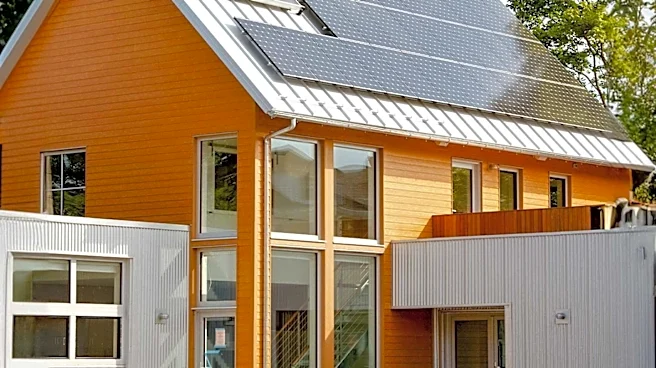
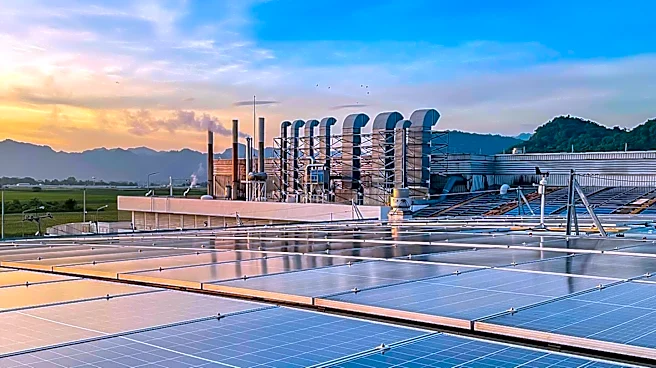
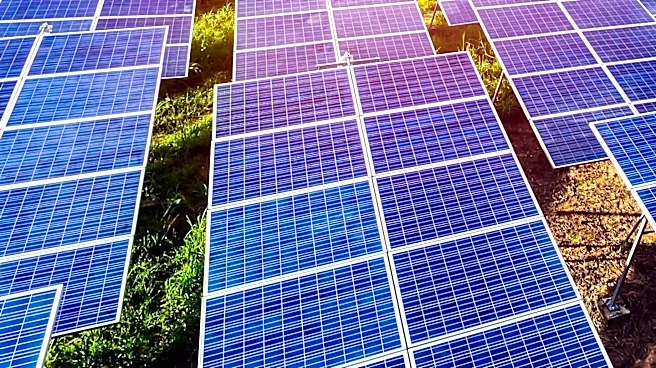
Ameresco, Inc., a prominent energy infrastructure solutions provider, has announced a new rooftop solar project at the Community College of Philadelphia (CCP). This initiative involves the installation of solar arrays at two of the college's campuses,
aiming to advance the institution's sustainability goals and contribute to Pennsylvania's renewable energy objectives. Supported by the state's Solar for Schools grant program, the project is structured as an energy performance contract. Construction is set to commence in the summer of 2026, with completion expected by the end of the year. The project is designed to reduce the college's reliance on grid power, enhance energy resilience, and provide educational opportunities for students to engage with renewable energy systems.
Why It's Important?
This project is significant as it aligns with Pennsylvania's broader renewable energy goals and sets a precedent for other educational institutions in the state. By integrating solar energy into its infrastructure, the Community College of Philadelphia not only reduces its carbon footprint but also strengthens its energy independence. The initiative provides a practical learning environment for students, equipping them with knowledge and skills relevant to the growing renewable energy sector. This move by Ameresco and CCP highlights the critical role educational institutions can play in the transition to sustainable energy solutions, potentially influencing similar actions across the country.
What's Next?
As the project progresses, it is expected to serve as a model for other colleges and universities looking to implement renewable energy solutions. The successful completion of this project could encourage further investments in solar energy within the educational sector, supported by state and federal incentives. Stakeholders, including government bodies and educational institutions, may closely monitor the project's outcomes to assess its impact on energy savings and educational benefits. The initiative could also prompt discussions on expanding similar programs to other regions, fostering a broader adoption of renewable energy technologies in academia.