



What's Happening?
Rep. Jared Moskowitz (D-FL) has stated that pro-Israel Democrats are experiencing a sense of ostracization within the Democratic caucus. According to Moskowitz, this feeling stems from what he describes as bullying, harassment, and threats from the anti-Israel
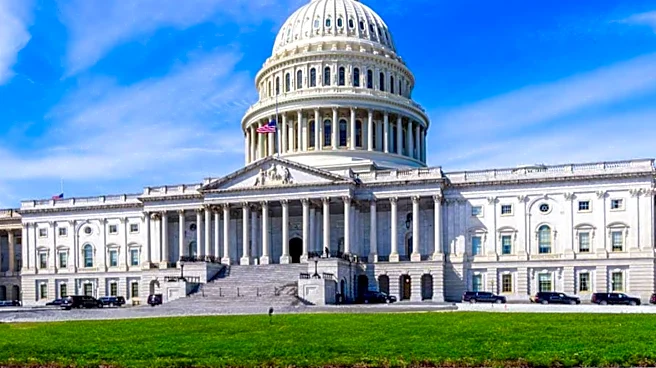
faction within the party. He noted that while his colleagues are not personally unkind to him, the overall atmosphere has made it a "lonely" place for those who staunchly support Israel. This sentiment suggests a growing divide and a shift in the Democratic Party's stance on Israel, leading to discomfort among some of its members who hold strong pro-Israel views. Moskowitz's comments were made during an interview in his Capitol Hill office, highlighting a significant internal challenge for the Democratic Party.
Why It's Important?
This development is important as it signals a potential fracturing within the Democratic Party on a key foreign policy issue. The reported ostracization of pro-Israel Democrats could lead to internal conflicts, affecting party unity and its ability to present a cohesive front on legislative matters. For U.S. politics, a divided Democratic Party on such a sensitive issue could influence future policy decisions regarding the Middle East and potentially impact electoral strategies, especially in districts with significant Jewish or pro-Israel constituencies. It also highlights the increasing polarization of political discourse, where differing views on international relations can lead to internal party friction and a sense of alienation among members. This internal dynamic could also affect fundraising and support from various interest groups.
What's Next?
The expressed feelings of ostracization by Rep. Moskowitz could prompt further discussions and debates within the Democratic Party regarding its official stance on Israel and how it manages internal dissent. This might lead to efforts by party leadership to address these concerns, potentially through internal dialogues or policy adjustments aimed at bridging the divide. Conversely, the situation could escalate, leading to more public disagreements and potentially impacting the party's performance in upcoming elections if the internal divisions become more pronounced. Stakeholders, including pro-Israel advocacy groups and other political organizations, will likely monitor these developments closely, potentially increasing their lobbying efforts to influence the party's direction.
Beyond the Headlines
Beyond the immediate political implications, this situation touches upon broader issues of ideological conformity and freedom of expression within political parties. The reported "bullying, harassment, and threats" suggest a climate where dissenting opinions on certain issues are not tolerated, which could stifle open debate and critical thinking within the caucus. This could lead to a chilling effect, where members might hesitate to express views that deviate from the perceived party line, potentially undermining democratic principles within the party structure. It also raises questions about the long-term identity of the Democratic Party and its evolving relationship with traditional allies and interest groups, particularly those with strong ties to Israel.