


What's Happening?
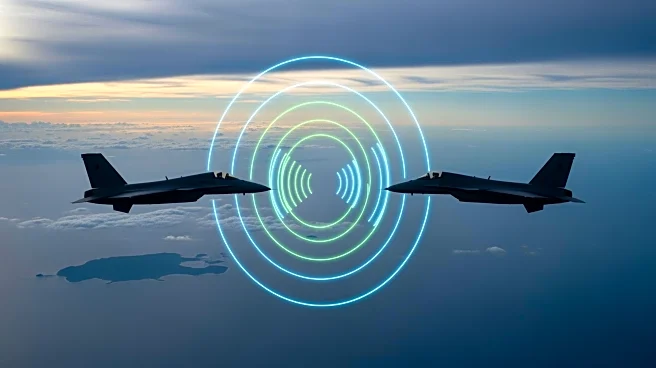
Chinese J-15 fighter jets have locked radar on Japanese F-15J aircraft near Okinawa, an action that Japan considers a potential threat. This incident occurred as tensions between China and Japan have been rising, particularly over territorial disputes
and military activities in the region. Japan responded by scrambling its own fighter jets. The radar lock is seen as a provocative move, signaling a potential attack, although no physical confrontation occurred. This development follows a series of incidents, including Japan's detection of a suspected Chinese drone near Yonaguni Island and plans to deploy missiles there, which have angered Beijing.
Why It's Important?
The radar lock incident is significant as it highlights the growing military tensions between China and Japan, two major powers in the Asia-Pacific region. Such actions could lead to increased military confrontations, affecting regional stability and security. The situation also impacts diplomatic relations, as both countries have engaged in hostile rhetoric and actions, such as China's ban on Japanese seafood imports and suspension of Japanese film screenings. The ongoing tensions could have broader implications for international relations, especially concerning U.S. interests in maintaining peace and stability in the region.
What's Next?
The incident may lead to further diplomatic protests and military readiness from both sides. Japan might increase its defense measures, including further military deployments in the region. China, on the other hand, may continue its assertive military posture. The international community, including the United States, may call for restraint and dialogue to prevent escalation. Future developments could include diplomatic talks or increased military exercises by both nations, potentially involving their allies.