






What's Happening?
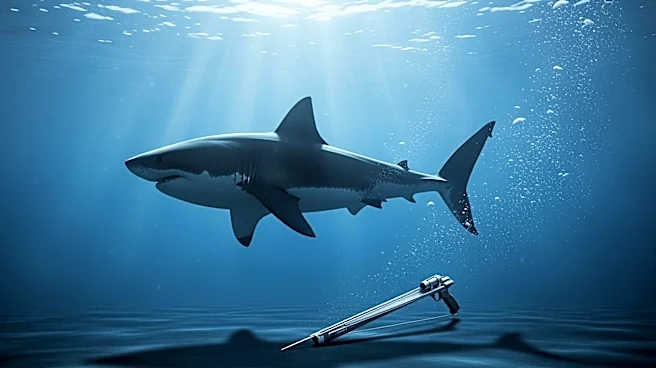
A tragic shark attack off the coast of Rottnest Island, Western Australia, resulted in the death of 38-year-old Steven Mattaboni. The incident occurred while Mattaboni was spearfishing with friends on a reef near the island, a popular tourist destination.
According to police reports, Mattaboni suffered severe injuries to his lower legs from a great white shark, estimated to be over four meters long. Despite immediate assistance from fellow divers and paramedics, he could not be revived. This marks the second fatal shark attack in Australian waters this year, highlighting a concerning trend of increased shark interactions along the Western Australian coast.
Why It's Important?
The rise in shark attacks in Australia has significant implications for public safety and tourism. As a popular destination for water sports and marine activities, increased shark encounters could deter tourists, impacting local economies reliant on tourism. Additionally, the incident raises questions about the effects of climate change on marine life, as experts suggest that changing ocean temperatures and feeding patterns may be driving sharks closer to shore. This situation calls for enhanced safety measures and monitoring to protect both residents and visitors.
What's Next?
In response to the growing number of shark attacks, Australian authorities may consider implementing stricter safety protocols, such as increased surveillance and public awareness campaigns. The use of drones to monitor shark activity near beaches could become more widespread. Furthermore, ongoing research into the migratory patterns of sharks may provide insights into preventing future incidents. The tragedy also underscores the need for international cooperation in addressing the broader environmental factors contributing to these occurrences.
Beyond the Headlines
The incident highlights the ethical and environmental challenges of human interaction with marine ecosystems. As human activities increasingly encroach on natural habitats, the balance between conservation and safety becomes more complex. This tragedy may prompt discussions on sustainable tourism practices and the importance of preserving marine biodiversity while ensuring public safety.