

What's Happening?
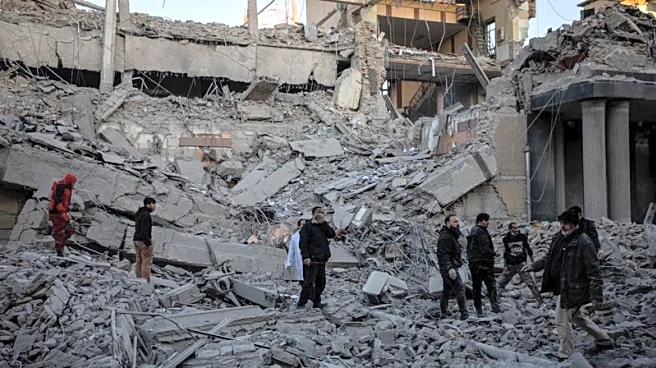
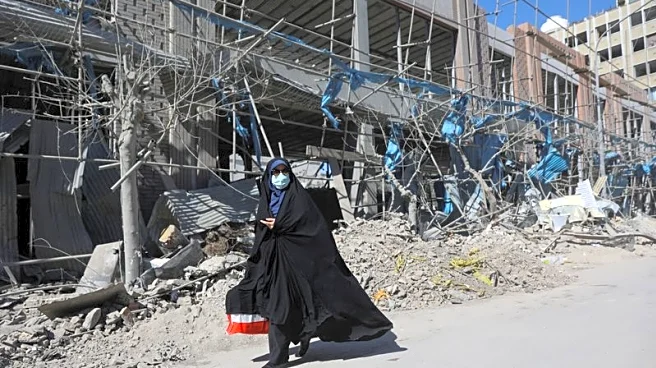
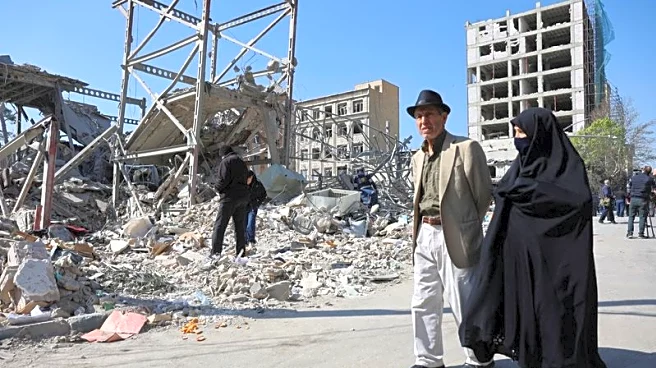
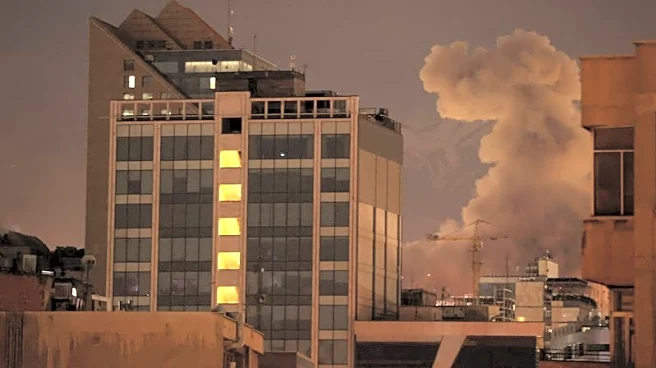
Recent letters to the editor have sparked a debate over the U.S. approach to Iran, drawing historical parallels to past American foreign policy decisions. One letter criticizes the Trump administration's air attacks on Iran, suggesting they may constitute
a war crime and likening them to the Iraq War under President George W. Bush. The letter argues that the administration's justification of Iran as an 'imminent danger' echoes past unfounded claims about Iraq. Another letter reflects on historical events, such as the U.S. isolationist stance before Pearl Harbor and the Cuban Missile Crisis, to argue against a passive approach to threats like Iran. The letters highlight differing views on how the U.S. should handle international threats, with some advocating for strong deterrence and others warning against unnecessary military actions.
Why It's Important?
The discussion underscores the ongoing debate over U.S. foreign policy, particularly in relation to Iran, a nation often described as a leading sponsor of terrorism. The criticism of the Trump administration's actions reflects broader concerns about the potential for military engagements to escalate into larger conflicts. The historical references serve as a reminder of the consequences of both action and inaction in international affairs. This debate is significant as it influences public opinion and potentially shapes future policy decisions. The letters also highlight the importance of learning from past mistakes to avoid repeating them, a sentiment echoed by historical figures like George Santayana.
What's Next?
The ongoing discourse suggests that U.S. foreign policy towards Iran will continue to be a contentious issue. As the administration faces criticism from both political commentators and the public, there may be increased pressure to justify its actions and consider alternative strategies. The debate could influence upcoming elections and policy decisions, as candidates and lawmakers respond to public sentiment. Additionally, international reactions to U.S. actions in Iran could impact diplomatic relations and global stability.
Beyond the Headlines
The letters reveal deeper ethical and legal questions about the use of military force and the criteria for defining threats. They also highlight the cultural and political divides within the U.S. regarding foreign policy. The discussion reflects broader themes of accountability and the role of historical memory in shaping current decisions. As the U.S. navigates its relationship with Iran, these underlying issues will likely continue to influence public discourse and policy-making.