






What's Happening?
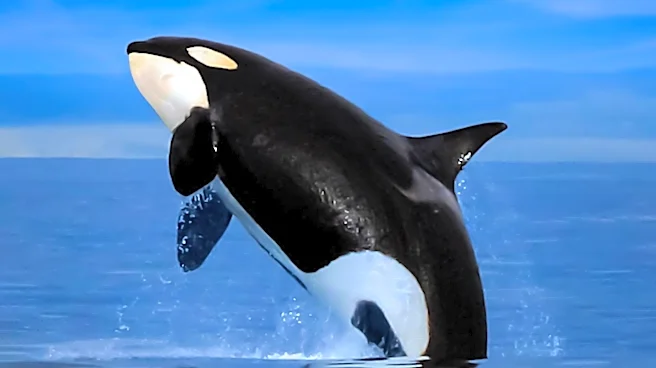
Spanish authorities have launched an investigation into the injuries sustained by Tonia, an approximately 60-year-old female killer whale, also known as La Abuela or 'Grandmother,' from the critically endangered Iberian orca population. Tonia was observed
on August 10 in the Strait of Gibraltar with multiple round injuries on her dorsal fin and back, which researchers from conservation organizations WeWhale and Iberian Orca Guardians believe resemble shotgun pellet impacts. These injuries were not present in earlier observations of the animal. While the Spanish Ministry for the Ecological Transition and the Demographic Challenge (MITECO) has not confirmed a shooting, they acknowledge the injuries are consistent with shotgun pellets. The Directorate-General for Biodiversity, Forests and Desertification initiated a preliminary investigation on August 12 to determine the circumstances and identify potential perpetrators. Researchers suggest the incident might have occurred off the coast of Portugal, as Tonia had traveled along the Portuguese coast from Galicia before returning to the Strait of Gibraltar. The Spanish side has contacted Portuguese authorities regarding the matter.
Why It's Important?
This incident is significant due to the critically endangered status of the Iberian killer whale population, which numbers only a few dozen individuals. The potential deliberate harming of one of its oldest members, Tonia, poses a severe threat to the survival and genetic diversity of this small group. The Iberian orcas have gained international attention since 2020 for their interactions with yachts and vessels, often resulting in damage to rudders. While scientists have no evidence of deliberate attacks on humans, these interactions have led to increased tensions. If confirmed as a deliberate shooting, this act would violate Spanish environmental protection laws, which prohibit the intentional killing, pursuit, capture, or harming of these animals. Such an event could also escalate human-orca conflicts and potentially lead to retaliatory actions, further endangering the species. The investigation highlights the challenges in protecting marine wildlife in shared international waters and the need for robust enforcement of conservation laws.
What's Next?
The Spanish authorities will continue their preliminary investigation to establish the exact circumstances of Tonia's injuries and identify any responsible parties. This will involve collaboration with Portuguese authorities, given the possibility that the incident occurred off the Portuguese coast. Specialists will continue to monitor Tonia's condition, as there is a risk of inflammation or infection if pellets remain embedded in her tissues, despite her current ability to swim and hunt. If a deliberate shooting is confirmed and a perpetrator is identified, they could face legal consequences under Spanish environmental protection legislation. The incident may also prompt further discussions and measures regarding human-orca interactions in the region, potentially leading to enhanced protective regulations or public awareness campaigns to prevent future harm to these endangered animals. The outcome of the investigation could set a precedent for how such incidents are handled in the future.
Beyond the Headlines
The suspected shooting of Tonia underscores the complex and often fraught relationship between human activities and marine wildlife, particularly for endangered species. The Iberian orcas' unique behavior of interacting with boats, while not fully understood, has created a challenging situation for both conservationists and mariners. This incident raises ethical questions about human responsibility towards wildlife and the potential for conflict when human and animal territories overlap. It also highlights the broader issue of marine pollution, as the presence of shotgun pellets in an animal's body can have long-term health consequences beyond immediate injury. The case could also draw attention to the effectiveness of international cooperation in marine conservation and the need for harmonized legal frameworks to protect migratory species across different national jurisdictions. Ultimately, Tonia's story serves as a stark reminder of the vulnerability of endangered species to human actions and the critical importance of conservation efforts.