




What's Happening?
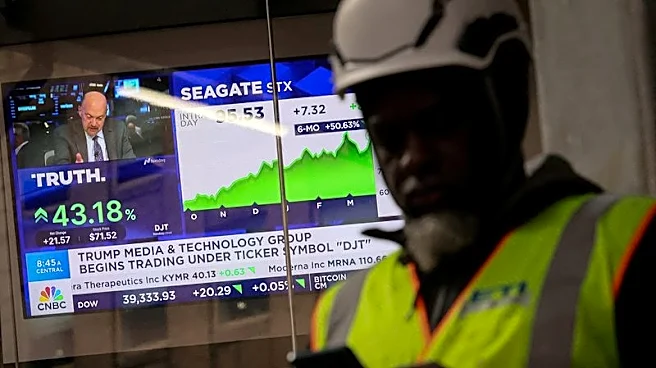
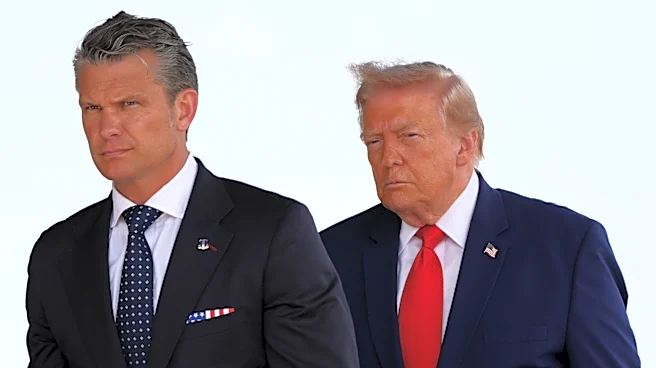
Trump Media & Technology Group (TMTG), which operates Truth Social, announced a new initiative to sell real-time access to President Trump's posts on the platform. The Truth API program is designed to provide immediate, verified access to high-ranking
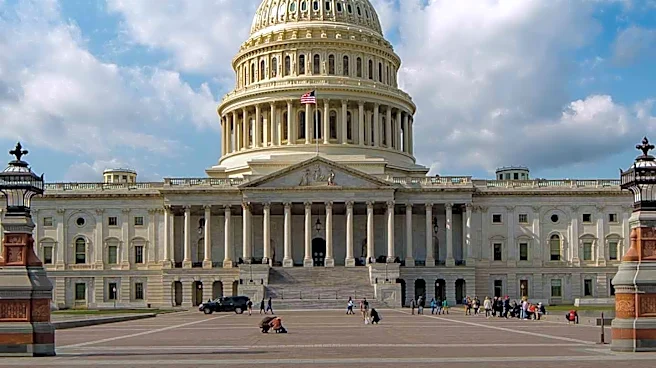
accounts, allowing financial institutions to pay for instant alerts about potentially market-moving statements from President Trump. TMTG plans to charge Wall Street traders and investment firms up to $100,000 per month for this service, which is set to launch on August 1, 2026. The initiative has drawn criticism from Republican lawmakers, who question the propriety of monetizing access to presidential communications. Senators Bill Cassidy, Susan Collins, and Lisa Murkowski have expressed concerns about the ethical implications of the program, suggesting it could be seen as buying access to the president's communications.
Why It's Important?
The initiative by TMTG to monetize President Trump's posts on Truth Social raises significant ethical and legal questions. Critics argue that selling access to presidential communications could undermine market integrity and public confidence in the fair dissemination of government information. The program has been labeled as a form of insider trading by Senate Democratic Leader Chuck Schumer, who highlighted the potential for corruption and the unfair advantage it could provide to wealthy investors. The controversy underscores the ongoing debate about the intersection of politics, business, and technology, and the potential for conflicts of interest when political figures leverage their positions for personal or corporate gain.
What's Next?
As the launch date for the Truth API program approaches, TMTG is likely to face increased scrutiny from lawmakers and regulatory bodies. The company has already signed up customers and is onboarding additional partners, but the backlash from both Republican and Democratic lawmakers could lead to calls for regulatory intervention or legislative action to address the ethical concerns raised by the program. The situation may also prompt broader discussions about the role of social media platforms in political communications and the potential for monetization to impact public trust in government institutions.